Logo
Get Estimate

Water Damage Restoration in Virginia for Safer, Drier Homes

We find the water, dry the structure, and protect your home


Water Damage Restoration in Virginia helps homeowners and property managers stop active leaks, remove standing water, and dry wet building materials before damage spreads. We handle burst pipes, roof leaks, flooded basements, and appliance overflows with a documented plan for your property. Our Virginia water damage restoration team responds to urgent losses with extraction, moisture checks, and targeted drying, so you know what is wet, what needs attention, and what comes next.

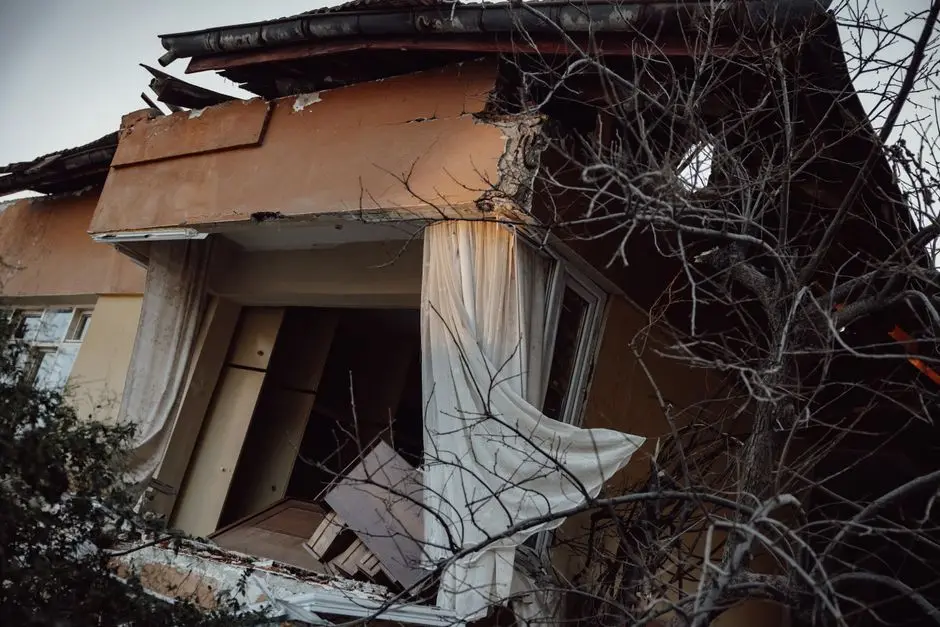
Exterior of a damaged house showing destruction from a natural disaster.
Licensed Licensed & Bonded
Fully Insured Insured & Bonded
24/7 Emergency Same-Day Response
Warranty Backed Workmanship Guaranteed

What Water Damage Restoration Includes

Our restoration work covers the response from initial inspection through water removal, drying, and cleaning of affected areas. We identify moisture migration and document readings so the plan follows the actual damage. Repairs to plumbing, roofing, or finished surfaces can involve other trades, but we explain where restoration ends and what repair work remains.

Water Loss Inspection

We inspect the visible damage, locate likely moisture paths, and note the source and water category. A moisture meter helps establish readings in affected materials, while visual checks identify safety concerns and areas that need closer assessment.
Standing Water Extraction

We remove pooled water using pumps or vacuum equipment suited to the space. Extraction includes accessible water in rooms and affected floor coverings, with attention to carpet padding and adjoining areas where moisture can spread.

Structural Drying Setup

We position air movers and dehumidification to dry affected materials, then monitor conditions during the job. Equipment placement changes with room size, material type, and measured moisture; it is not simply a matter of putting a fan in each room.

Surface Cleaning and Control

We clean salvageable affected surfaces and use containment where conditions call for it. If water is contaminated, we follow appropriate protective practices and product label directions, while identifying porous materials that cannot be safely restored.

Moisture Monitoring

We revisit affected areas and compare readings as drying progresses. You can see which materials are improving and where additional drying or access is needed. Final checks help determine when the restoration phase is ready to close.

Water Damage Restoration in Virginia Explained


Water Damage Restoration in Virginia is a property recovery service that removes unwanted water, dries affected materials, and addresses contamination after a leak or flood. We start by locating the source and identifying the water category, then extract standing water and map moisture in floors, walls, and ceilings. A moisture meter and thermal imaging camera help us check beyond visible stains. We set drying equipment based on the material and readings, protect unaffected areas with polyethylene sheeting, and track progress until measurements show the structure is dry enough for the next repair phase.

Virginia homes face very different water events: winter pipe breaks, summer thunderstorms, coastal storm and hurricane flooding, and plumbing failures in older houses. Crawl space standing water and basement flooding need different access and drying plans from a kitchen appliance overflow. Our water damage repair in Virginia addresses the wet materials and the cause-related damage, while Water Damage Restoration in Virginia after a home flood begins with safe water removal and a careful assessment of contaminated surfaces.

What to Expect During Restoration

Water Damage Restoration in Virginia follows a measured sequence: stop the source, remove water, document moisture, dry affected assemblies, and verify results. We explain each workday's priorities and keep you informed when readings change the plan.

01

Schedule

Call or book online — a real human picks up and confirms a 2-hour arrival window.

02

Diagnose

Licensed tech inspects on-site, then walks you through the cause and your options.

03

Fix

The job is completed to code and done right the first time — no shortcuts, no surprises.

04

Guarantee

Every job backed by a written workmanship warranty — and we stand behind it.

Equipment and Drying Methods

Tools & Equipment

Truck-mounted extraction unit

We use high-capacity extraction to remove water from accessible floors and carpet quickly. It reduces the bulk water load before air movement and dehumidification begin.

Moisture meter

This instrument checks moisture in building materials at selected points. We record readings and return to comparable locations to see whether drying is working.

Thermal imaging camera

We use thermal patterns to guide inspection of suspected wet areas behind finishes. It helps direct further measurement; it does not replace confirming moisture with appropriate testing.

Commercial dehumidifier

A commercial dehumidifier removes moisture from the air as wet materials release it. We size and place equipment according to room conditions and the scale of the loss.

Dri-Eaz

Dri-Eaz drying equipment supports controlled air movement and dehumidification on water losses. We select and position the equipment to suit the affected rooms and monitor results.

Methods & Standards

IICRC S500 Standard for Professional Water Damage Restoration

We use S500 principles to guide inspection, water categorization, extraction, drying, and job documentation. The standard informs a process, not a promise that every material can be saved. We base decisions on the loss conditions, measured moisture, and safe handling needs.

Moisture mapping and repeat readings

We record where materials are wet and revisit those points during the drying cycle. Comparing readings helps us see whether moisture is leaving the structure or moving into adjoining areas. If progress stalls, we adjust equipment or investigate concealed assemblies.

Contained contaminated-water cleanup

For sewer backup or contaminated floodwater, we control access and separate affected contents from clean areas. Our technicians use suitable protective equipment and clean with products according to label directions. Porous materials are evaluated carefully because cleaning is not appropriate for every contaminated item.

When to Call for Restoration

01

A frozen pipe breaks overnight and water runs into a bedroom before you can shut off the supply.

What we do: We help you focus on stopping the source safely, then inspect the bedroom and adjoining wall and floor areas. Our team extracts water, checks for moisture under flooring and behind baseboards, and sets drying equipment to address the affected materials. We document readings as the room dries.

→ You get the water removed and a clear picture of the wet footprint before damaged finishes are repaired or covered.

02

Storm rain pushes into a low-level entry and leaves basement flooring wet across several rooms.

What we do: We pump or extract pooled water, separate affected contents, and assess the flooring, lower walls, and storage areas. If the water contains sediment or contaminants, we handle it with the controls the situation requires. Drying equipment is placed to manage moisture throughout the basement, not just at the entrance.

→ The basement moves from standing water to monitored drying, with cleanup and material decisions based on site conditions.

03

A washing machine hose fails while you are out, soaking the laundry room and the ceiling below.

What we do: We inspect both the source room and the space below, looking for water trapped beneath flooring and inside ceiling materials. After extraction, we set equipment in each affected area and track moisture readings. We also identify whether ceiling drywall or insulation needs access for safe drying.

→ You avoid treating the visible laundry-room floor as the entire loss and have a documented drying path for both levels.

04

A sewer line backs up into a bathroom, leaving water near a hallway and stored belongings.

What we do: We restrict access to the affected area, remove contaminated water, and separate porous items that cannot be safely cleaned. Our technicians clean affected surfaces using appropriate protective practices and label-directed products, then dry the structure after cleanup. We keep clean areas apart from the work zone.

→ The contaminated area is handled as a distinct hazard, and you know which materials are cleanable and which require removal.

How Restoration Works Across Virginia

Virginia's climate changes the kind of water loss we see through the year. As November turns toward winter, freezing temperatures can split exposed plumbing and leave water inside wall cavities; spring rain and summer storms bring roof leaks, drainage overload, and basement flooding. Coastal properties face storm and hurricane flooding, while inland homes may have steep-roof leaks, crawl space standing water, or older plumbing. Our water damage repair in Virginia starts with the building and the source, not a regional assumption. We check the structure, water category, access, and moisture migration, then choose equipment and containment for that job. In occupied multifamily buildings, we plan around shared halls and neighboring units; in detached homes, we check adjoining rooms and lower levels. We follow applicable safety requirements and the IICRC S500 framework, and we do not treat a surface reading as proof that a concealed cavity is dry. For a professional structural drying service in Virginia, repeated measurements determine whether equipment stays, moves, or can be removed. You receive practical updates throughout the work.

Neighborhoods We Serve

  • Great Bridge

    In Chesapeake, low-lying yards and heavy rain can send water toward lower levels. We inspect basement edges and adjacent storage areas, not just the visible puddle.

  • Downtown Lynchburg

    Older buildings and varied floor levels can complicate water migration. We check connected rooms and ceiling areas below the original leak.

  • Blacksburg residential areas

    Cold snaps put exposed plumbing at risk in older homes and additions. We assess the full wet path after the supply is stopped.

  • Fair Oaks neighborhoods

    Multilevel homes can pass appliance or bathroom leaks into lower ceilings. We inspect both the source floor and the affected room below.

  • Fairfax residential areas

    A mix of older and newer construction calls for material-specific drying decisions. We check concealed moisture around flooring, cabinets, and lower walls.

Local Conditions We Plan For

  • November freezes and winter cold threaten exposed plumbing

    A burst pipe can release water inside a wall or crawl space before a stain appears. We check adjoining materials and floor levels so hidden moisture is included in the drying plan.

  • Coastal storms and hurricane rain drive water into low openings

    Wind-driven rain and floodwater can affect multiple rooms and introduce sediment or contaminants. We separate cleanup from drying decisions and assess porous contents before deciding what can be restored.

  • Spring downpours saturate basements and crawl spaces

    Water beneath a home can remain out of sight and raise humidity in the structure. We address standing water where accessible, inspect affected materials, and monitor moisture after pumping.

Burst Pipe in a Finished Room

Before

A supply line failed behind a bedroom wall, wetting the carpet edge and lower drywall. The room looked mostly dry after the water was shut off, but the carpet padding remained saturated and moisture readings were elevated along the baseboard and into the adjoining closet.

After

We extracted water, removed the affected padding, and set air movers with dehumidification. Repeat checks over 4 days showed readings declining in the lower wall and floor area. The homeowner had a documented drying result and a defined section of finish work rather than an unexplained whole-room repair.

Maintenance: Check accessible supply lines and shutoff valves during routine home checks. Know where the main water shutoff is, and close it promptly if a pipe fails. After repairs, inspect the wall and flooring for lingering dampness.

Before

Heavy rain left several inches of water along one side of a basement and soaked stored boxes and carpet. Water had reached the lower wall, and the contents made it difficult to see how far the floor was wet.

After

We used a submersible pump for pooled water, removed wet carpet padding, and checked the lower wall and adjacent storage area. Drying continued for 5 days with readings recorded at key points. The basement was cleared for cleaning and finish repairs once the affected materials met drying goals.

Maintenance: Keep stored items raised off basement floors and leave a small inspection gap along exterior walls. Check the space after prolonged rain, and address drainage or foundation entry points before replacing finished materials.

Before

A failed washing machine connection soaked the laundry floor and sent water through the ceiling below. The stain in the lower room was small, but the upstairs flooring and ceiling cavity held moisture beyond the visible marks.

After

We assessed both levels, extracted water from the laundry area, and placed drying equipment upstairs and below. Moisture checks over 3 days helped identify when the floor and ceiling areas were ready for repair. The property manager could coordinate access with residents using a clear record of affected locations.

Maintenance: Inspect appliance hoses and connections for wear, and replace damaged parts promptly. Keep the area around the washer accessible so a leak is easier to spot and the shutoff can be reached quickly.

How We Restore Wet Walls and Floors

Water migrates through floors, under baseboards, and into wall cavities long after a leak is stopped. Our team traces that moisture, removes water, and dries materials with monitored equipment. We focus on the source and the affected assembly so surface cleanup does not hide a continuing problem.

Problem

Hidden moisture remains behind drywall after a pipe leak is stopped

Wet wall cavities can damage insulation and framing, and enclosed moisture raises the risk of secondary mold growth if materials are left damp.

Our Fix

We use moisture readings and thermal imaging to map the affected area beyond visible staining. We then select controlled drying or targeted removal based on material condition and access. Our approach to water damage remediation for walls and floors in Virginia gives you a measured path from leak response to dry, repair-ready surfaces.

Problem

Basement carpet and stored belongings are soaked after rain

Water trapped beneath carpet and boxes can keep the room damp, damage porous contents, and spread into adjoining finished areas.

Our Fix

We pump or extract standing water, move salvageable contents out of the wet zone, and inspect carpet padding and lower walls. Dehumidification and air movement address remaining moisture. We document the affected footprint so you can prioritize cleaning, disposal, and any finish repairs.

Problem

Sewer backup leaves contaminated water on a finished floor

Contact with contaminated water creates health concerns, and porous flooring or belongings may not be suitable for ordinary cleaning or reuse.

Our Fix

We isolate the area, remove contaminated water, and handle affected materials with appropriate protective equipment. Our technicians clean salvageable surfaces using products applied according to label directions. We explain what can be cleaned and what needs removal, then dry the remaining structure before restoration is complete.

Problem

A roof leak saturates ceiling drywall before the stain grows

A wet ceiling can soften, sag, and pass moisture into wall cavities or insulation, increasing the affected area and repair work.

Our Fix

We assess the ceiling and nearby rooms, identify the moisture footprint, and check whether the material is stable enough to dry. After the entry point is controlled, we extract accessible water and set targeted drying. If a section needs removal, we explain the reason and limit disturbance to affected materials.

A Dry Structure, Not Just a Dry Floor

A Dry Structure, Not Just a Dry Floor

Water on the surface is only part of the problem. We work to remove moisture from the materials beneath it, reduce avoidable demolition, and give you clear checkpoints as the drying job progresses.

  • Find Hidden Moisture

    We use a moisture meter and thermal imaging camera to identify damp areas behind baseboards and in wall cavities. That helps you avoid closing up wet drywall based only on how the room looks. We record readings at affected locations and compare them during drying, rather than relying on touch or guesswork.

  • Remove Water Promptly

    A truck-mounted extraction unit or portable wet vacuum pulls water from floors and carpet, while a submersible pump handles deeper accumulation. Removing the bulk water first shortens the work needed from drying equipment. For a burst pipe water damage event, we also help you isolate the affected area and limit foot traffic.

  • Dry Materials Methodically

    We place air movers and a commercial dehumidifier to move moisture out of the structure, then check humidity and material readings during the job. A hygrometer helps track room conditions. If carpet padding has absorbed water, we assess it separately because saturated padding can hold moisture after the carpet surface appears dry.

  • Address Contamination Safely

    Sewer backup and floodwater require protective handling, not ordinary mopping. We separate affected contents, use appropriate protective equipment, and clean surfaces with antimicrobial disinfectant selected for the task. You get a practical explanation of what can be cleaned, what needs removal, and how we keep the work zone contained.

Standards Behind the Work

Licensed & Certified

  • IICRC Water Damage Restoration Technician (WRT) — issued by Institute of Inspection, Cleaning and Restoration Certification
  • IICRC Applied Structural Drying (ASD) — issued by Institute of Inspection, Cleaning and Restoration Certification
  • IICRC Applied Microbial Remediation Technician (AMRT) — issued by Institute of Inspection, Cleaning and Restoration Certification
  • IICRC S500 Standard for Professional Water Damage Restoration — issued by Institute of Inspection, Cleaning and Restoration Certification

Verified Reviews

Customer feedback Not supplied

A Chesapeake homeowner described a burst pipe that soaked a bedroom and closet. The crew removed the wet padding, recorded moisture readings, and explained why drying equipment needed to stay in place. The useful part was knowing what had dried and what repair work remained.

Customer feedback Not supplied

A Lynchburg resident reported basement flooding after heavy rain. The team pumped out standing water, checked the lower walls, and separated soaked belongings from items that could be cleaned. The resident appreciated receiving clear progress updates during the drying period.

Customer feedback Not supplied

A Fairfax property manager needed help after an appliance leak affected two floors. Technicians inspected both units, placed drying equipment without blocking the shared hallway, and provided moisture-check updates that helped coordinate resident access and follow-up repairs.

Training Grounded in Standards

Our technicians apply established restoration practices rather than guessing from surface appearance. The work follows the principles of the IICRC S500 Standard for Professional Water Damage Restoration, including assessment, extraction, drying, and documentation. Training such as IICRC Water Damage Restoration Technician (WRT) supports sound decisions about water categories and affected materials; Applied Structural Drying (ASD) training sharpens equipment placement and monitoring. We also use safe handling practices informed by OSHA Hazard Communication Standard requirements and follow EPA-registered disinfectant label compliance. Every loss is different, so we base the plan on site conditions and measured progress.

  • WRT training informs water-loss assessment, extraction choices, material evaluation, and decisions about safe restoration versus removal.
  • ASD principles guide airflow, dehumidification, and moisture checks through concealed assemblies and dense building materials.
  • IICRC S500 provides a framework for documenting water damage restoration work and monitoring drying progress.
  • We treat sewer backup and contaminated floodwater as distinct hazards, with controlled work areas and appropriate protective equipment.
  • Our technicians use readings and visual inspection together, checking the affected structure rather than relying on a single instrument.
Get Started Today
Training Grounded in Standards

Cities We Serve in Virginia

Our statewide service connects local response with the same measured restoration process, from first inspection through drying checks. We handle water damage repair in Virginia for homes and properties with different layouts, weather exposure, and access needs. Coverage includes coastal communities, inland cities, and Northern Virginia neighborhoods. The five locations below are part of a wider service area, and our team adapts equipment and work plans to each property's conditions.

Frequently Asked Questions

Real answers to the questions we hear most often from local homeowners and property managers.

What does Water Damage Restoration in Virginia include?
Water Damage Restoration in Virginia includes inspection, water extraction, moisture mapping, drying, and cleaning of affected materials. We identify the water source and contamination concerns, then select equipment and containment based on the property. A moisture meter tracks damp materials, while air movers and dehumidification support structural drying. If drywall, insulation, or carpet padding cannot be safely dried, we explain the affected area and removal needs. Repairs beyond restoration, such as rebuilding finishes, are a separate phase.
How is water damage repair different from water extraction?
Water extraction removes pooled or absorbed water; water damage repair addresses the broader restoration work that follows. Extraction may take a few hours, while drying commonly runs 3 to 5 days for a smaller loss. We check wall cavities, flooring, and other materials after the visible water is gone, then clean and monitor them. The right plan depends on water category, affected area, and whether materials can be dried in place.
How long does water damage restoration take in Virginia?
A small, accessible loss often needs 3 to 5 days of active drying, while extensive or concealed damage can take a week or more. We monitor moisture readings and humidity rather than removing equipment on a fixed calendar. Burst pipes, saturated insulation, and basement flooding often require additional time because water travels into assemblies that are not visible. Reconstruction starts after affected materials meet appropriate drying goals.
Who provides water damage cleanup and drying near me?
Virginia Water Extraction Pros provides water damage cleanup and drying across Virginia, including Chesapeake, Lynchburg, Blacksburg, Fair Oaks, and Fairfax. Call +18668968166 and tell us what happened, whether water is still entering, and which rooms are affected. For a safe first step, keep clear of standing water near electrical equipment and do not use household fans on contaminated floodwater. We assess the site and bring equipment suited to the loss.

Related Restoration Services

Emergency Water Extraction

When water is actively pooling, extraction is the first practical step in a larger restoration plan. We remove bulk water with equipment matched to the depth and floor type, then check what remains trapped in carpet, padding, or nearby materials. That early removal makes drying more controlled.

View Emergency Water Extraction

Flood Water Removal

Floodwater can carry sediment and contaminants into living areas, basements, and storage spaces. We remove standing water, separate affected contents, and identify materials that need cleaning or removal. The follow-up drying plan accounts for hidden moisture, not just the waterline on the wall.

View Flood Water Removal

Storm and Hurricane Water Damage Cleanup

Storm-driven rain can enter through damaged roofing, windows, or low openings and saturate ceilings and wall assemblies. We extract water, protect unaffected rooms, and dry the structure after the source is controlled. The assessment includes visible entry points and moisture migration beyond the original wet area.

View Storm and Hurricane Water Damage Cleanup

Basement and Crawl Space Water Removal

Basements and crawl spaces trap water where it can go unnoticed, especially after heavy rain or a plumbing failure. We pump standing water, inspect accessible structural materials, and set drying equipment for the confined space. We also check for lingering moisture that could lead to secondary mold growth.

View Basement and Crawl Space Water Removal

Standing Water Removal

Standing water needs prompt removal before it spreads into adjoining rooms or finishes. We use a submersible pump for deeper accumulation and wet vacuum equipment for shallow water or tight access. After removal, we map affected materials and decide what drying steps will protect the structure.

View Standing Water Removal

Burst Pipe and Plumbing Leak Water Extraction

A burst pipe can soak floors, cabinets, and wall cavities before the leak is obvious. We remove water, identify the wet footprint, and coordinate the restoration sequence after the plumbing source is stopped. Targeted drying helps limit unnecessary removal while addressing moisture behind baseboards and lower walls.

View Burst Pipe and Plumbing Leak Water Extraction

Start Water Damage Restoration in Virginia

A wet ceiling, flooded basement, or broken pipe needs a measured response before moisture spreads. Our technicians use moisture readings to guide extraction and drying, and we explain the next step plainly. Call +18668968166 now to discuss the damage and get the restoration process moving.

Call Now Call for Help

Contact Our Team

Call Virginia Water Extraction Pros at +1-866-896-8166 any time to report a leak, flood, or sewer backup. We take calls 24/7 and connect you with independent companies serving Virginia communities. Share your location, the water source, and the rooms affected so the responding company can discuss the next step with you.

Or call us right now at +18668968166 — we answer.

Virginia Water Extraction Pros


  • Phone

    +18668968166
  • Address

    Virginia

  • Hours

    Mon–Fri: 7AM – 7PM
    Sat: 8AM – 4PM
    Sun: Emergency Only
    24/7 Emergency Available

Call +18668968166 Get Quote
Call Quote