
Logo
Get Estimate

Standing Water Removal in Virginia for Safer Floors

We pump out water and dry the materials it reaches.


Standing Water Removal in Virginia gets water out of homes and businesses after leaks, flooding, and overflows. We help homeowners, property managers, and commercial occupants who need wet rooms cleared before damage spreads. Our Virginia standing water removal work starts with identifying the water source and contamination level, then selecting extraction and drying methods for your floors, walls, and belongings.

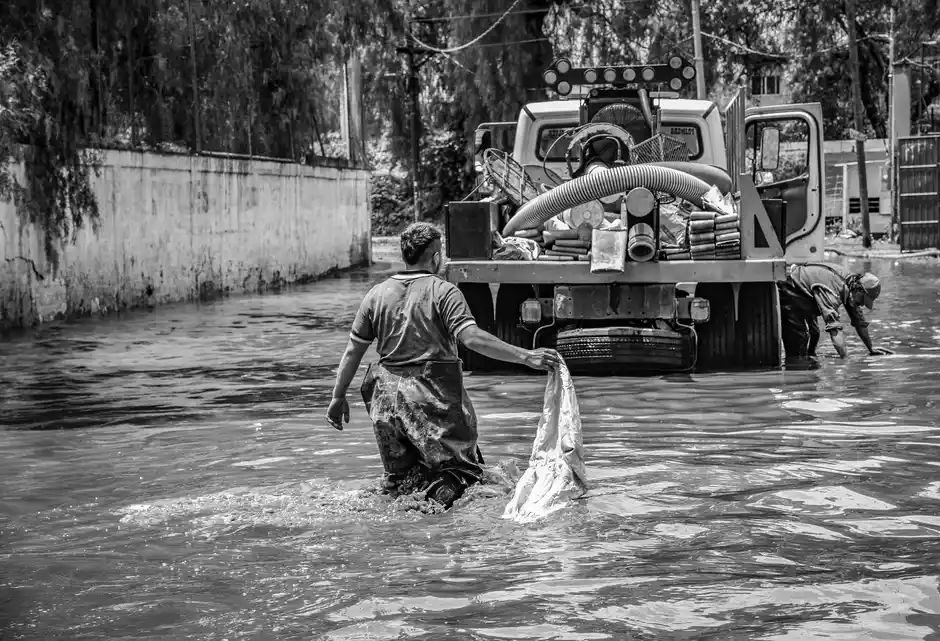
A black and white photo depicting flood cleanup efforts in an urban setting, showcasing resilience.
Licensed Licensed & Bonded
Fully Insured Insured & Bonded
24/7 Emergency Same-Day Response
Warranty Backed Workmanship Guaranteed

What Standing Water Removal Includes

Our service covers assessment, pumping or vacuum extraction, checks of affected materials, and drying equipment when readings show it is needed. We also explain contamination concerns and the next restoration step. Rebuilding, plumbing repair, and replacement of damaged finishes are separate work stages, but we identify how they connect to the water removal so you can plan the full recovery.

Water Source Assessment

We trace the likely entry point, note whether water is still active, and classify the water based on its source. That distinction affects protective measures and cleanup. We also identify electrical or structural concerns before equipment is moved through the affected area.
Pumping And Vacuuming

We remove deeper pools with a submersible pump and collect shallow water with a portable wet vacuum. Technicians work across open floor areas, edges, and accessible low points. The selected method reflects water depth, access, and the surface being protected.

Moisture Checks

We inspect nearby flooring, baseboards, and accessible wall areas with a moisture meter. Those readings help distinguish a wet surface from moisture that has moved into a material. We explain where additional drying is required and monitor the areas that remain affected.

Drying Setup

When materials remain damp, we position air movers and a commercial dehumidifier to support evaporation and moisture removal. Placement depends on room shape and readings. We describe equipment noise, airflow, and the expected monitoring schedule so you know what happens while it runs.

Contamination Controls

For sewage or contaminated floodwater, we separate affected areas and use suitable protective equipment. We clean surfaces with an EPA-registered disinfectant according to label directions where applicable. Porous materials are evaluated for safe restoration rather than assumed salvageable.

Standing Water Removal in Virginia Explained


Standing Water Removal in Virginia is a water damage mitigation service that removes pooled water and starts structural drying after leaks, flooding, or equipment failures. We inspect the affected rooms, identify clean or contaminated water, and choose a submersible pump or portable wet vacuum for the depth and access. A moisture meter helps us check building materials beyond the visible puddle. We then position air movers and a commercial dehumidifier where needed, recording readings so drying decisions follow measured conditions rather than guesswork.

Virginia homes face standing water after burst pipe water damage, basement flooding, appliance overflow, roof leaks, and storm runoff. Coastal rain and hurricane conditions differ from winter freezes inland, but wet carpet padding, drywall, and insulation all need prompt assessment. Our standing water extraction in Virginia addresses the source area and hidden moisture, not just the water you can see. If you are arranging Standing Water Removal in Virginia for flooded homes, we map affected materials and explain the next steps plainly.

What To Expect During Service

Standing Water Removal in Virginia follows a defined sequence: control the source, remove water, assess materials, and dry the structure. We keep you informed as each stage changes the work.

01

Schedule

Call or book online — a real human picks up and confirms a 2-hour arrival window.

02

Diagnose

Licensed tech inspects on-site, then walks you through the cause and your options.

03

Fix

The job is completed to code and done right the first time — no shortcuts, no surprises.

04

Guarantee

Every job backed by a written workmanship warranty — and we stand behind it.

Equipment And Drying Methods

Tools & Equipment

Submersible pump

Moves deeper standing water from basements and low points before a wet vacuum handles the remaining shallow water and edges.

Moisture meter

Measures moisture in flooring, baseboards, and accessible building materials so drying progress is tracked with readings rather than appearance.

Air mover

Directs airflow across wet surfaces to support evaporation after extraction; placement is adjusted for room layout and material readings.

Commercial dehumidifier

Removes moisture from indoor air while air movers circulate it, helping drying continue under changing room conditions.

Dri-Eaz equipment

Dri-Eaz drying equipment supports controlled air movement and dehumidification when the affected area and job conditions call for it.

Methods & Standards

IICRC S500 restoration framework

We use the IICRC S500 Standard for Professional Water Damage Restoration as a reference for assessment, water categorization, extraction, and drying decisions. We document affected materials and monitor progress. The standard informs the work; the actual plan follows the loss conditions in your home.

Source-based water classification

We identify whether water came from a clean plumbing supply, an appliance, outdoor flooding, or a sewer backup. That classification guides protective equipment, separation of affected areas, cleaning choices, and decisions about porous materials. Treating all water as the same can leave contamination risks unaddressed.

Measured structural drying

After water removal, we compare readings from affected materials with suitable dry reference areas and adjust airflow and dehumidification. Checks are repeated as drying progresses, often over 2 to 5 days for residential losses. Equipment is removed when materials reach appropriate drying targets.

When To Call For Water Removal

01

A frozen pipe breaks overnight and water spreads from a utility room into finished flooring.

What we do: We help control the immediate water problem, extract pooled water from the utility area and adjoining rooms, then check flooring and wall edges. A moisture meter guides equipment placement so we do not rely on surface appearance. We explain which areas need follow-up drying.

→ Your rooms move from active pooling to a documented drying setup, with wet areas identified before finishes are repaired.

02

A storm sends water through a basement entrance while rain continues outside.

What we do: We assess access and water quality, pump deeper areas, and vacuum remaining water from edges and low points. If the water contains outdoor debris, we use suitable protective controls and evaluate affected porous materials. We also identify any continuing entry path.

→ The basement is cleared of pooled water, affected materials are mapped, and the next cleanup steps reflect the water source.

03

A washing machine hose fails and leaves water beneath appliances and along a hallway.

What we do: We remove accessible water, check beneath the appliance where safe, and inspect adjacent flooring and baseboards. Drying equipment is set where moisture readings show retained water. We can also coordinate the cleanup sequence with appliance or plumbing repair.

→ The visible spill is gone, hidden wet edges are identified, and the floor has a measured drying plan.

How Standing Water Removal Works Across Virginia

Standing Water Removal in Virginia must account for the state's changing weather and building conditions. November brings colder nights and a greater risk of frozen plumbing in exposed areas, while coastal properties remain alert to heavy rain and storm flooding. Spring rain can saturate yards and contribute to basement seepage; humid summer air can slow evaporation indoors. We adapt equipment placement and monitoring to the season, room size, and materials rather than assuming the same drying time everywhere. In older homes, plaster, wood flooring, and tight wall cavities need careful assessment; newer homes can still trap water beneath engineered flooring or behind finished basement walls. Our Virginia standing water removal process checks accessible materials and documents moisture before and during drying. If you need standing water extraction in Virginia after a storm or pipe failure, we identify the water source, assess access, and explain the sequence from pumping through final readings. For contaminated water, we separate affected areas and follow appropriate protective and cleaning practices.

Neighborhoods We Serve

  • Downtown Newport News

    Lower-level rooms and utility areas need careful checks after heavy rain; we inspect beyond the visible pool to find wet flooring edges.

  • Harrisonburg residential areas

    Cold snaps can expose vulnerable plumbing, so winter losses often require quick extraction and checks around basements and utility spaces.

  • Annandale homes

    Finished basements and interconnected rooms can hide moisture beneath flooring, making room-by-room readings useful after a leak.

  • Short Pump properties

    Storm runoff and appliance leaks call for source-specific cleanup, especially where water reaches finished lower levels or storage areas.

Local Conditions We Plan For

  • Cold winter nights increase the chance of frozen supply lines.

    A pipe break can release water into concealed areas before occupants find it. We check utility spaces, lower floors, and nearby wall edges, then plan extraction and drying around the materials affected.

  • Coastal storms bring intense rain and wind-driven water.

    Water may enter through low openings or combine with roof leaks. We assess contamination, active entry points, and saturated building materials before selecting pumping and cleanup methods.

  • High summer humidity slows evaporation indoors.

    Air movement alone may not dry a wet room effectively when outside air is damp. We use dehumidification and repeated moisture readings to guide drying rather than relying on open windows.

Basement Cleared After Rain

Before

A basement had several inches of water after heavy rain, with boxes and floor edges already wet. The homeowner could not tell whether water was still entering or how far moisture had traveled into the lower wall. A surface mop removed little from the deeper pool.

After

We pumped out the standing water, vacuumed the remaining edges, and checked accessible lower walls and flooring. The pool was removed and drying equipment was placed where readings showed retained moisture. Follow-up checks tracked progress over the next several days, rather than relying on the room looking dry.

Maintenance: Keep stored items raised off basement floors and inspect after heavy rain. Note recurring seepage points and address drainage or entry issues so the same room is less likely to collect water again.

Before

A failed washer hose left water across the laundry floor and into the hallway. The surface appeared mostly dry after towels were used, but the baseboard and flooring transition remained damp, and water had reached beneath an appliance.

After

We vacuumed the remaining water, checked the hallway transition and accessible appliance edges, and set air movers with dehumidification. Moisture readings identified the areas needing attention. The visible water was cleared, and the homeowner had a documented drying plan for the affected floor.

Maintenance: Inspect supply hoses and shutoff connections periodically, especially before extended travel. Keep the appliance area accessible so a small leak is easier to spot before it spreads into adjoining rooms.

Before

Outdoor water entered a ground-floor room during a storm, carrying sediment across the floor. The occupants were unsure whether the water was safe to handle and had moved away from the wet area.

After

We assessed the water source, controlled access to the affected room, and removed the pooled water with suitable equipment. We checked nearby materials and cleaned appropriate surfaces using label-compliant products. The occupants received clear guidance on drying and any materials requiring additional attention.

Maintenance: After storms, check low doors and utility areas once it is safe to do so. Move valuables away from floors and report recurring entry points so water intrusion can be addressed.

Solutions For Standing Water Removal in Virginia

Standing water creates more than a wet floor: it can affect carpet padding, wall cavities, stored belongings, and indoor air. We find the source, remove pooled water, and check how far moisture has traveled before setting a drying plan.

Problem

A basement pool keeps returning after heavy rain.

Water can repeatedly wet stored contents and lower wall materials, while humid basement air slows drying and leaves moisture in hidden corners.

Our Fix

We pump the pooled water, inspect accessible wall and floor areas, and check for damp materials around the perimeter. If water continues entering, we identify the active path and explain what needs attention before the area can stay dry. Drying equipment is placed according to readings.

Problem

A plumbing leak soaked flooring beneath a cabinet.

Water trapped under flooring or in carpet padding can remain after the visible surface is dry, increasing the chance of swelling and secondary mold growth.

Our Fix

We extract surface water, check cabinet edges and adjoining baseboards, and use moisture readings to map affected areas. If materials retain moisture, we set controlled drying equipment and monitor progress. Standing floodwater cleanup after a plumbing leak in Virginia starts with stopping the leak and assessing the full wet footprint.

Problem

Storm runoff entered a room with questionable water quality.

Outdoor floodwater can bring sediment and contaminants onto floors and porous belongings, making ordinary vacuuming inadequate and unsafe.

Our Fix

We classify the water, isolate the affected area as needed, and remove pooled water using appropriate equipment and protective practices. We clean suitable surfaces with label-compliant disinfectant and assess porous materials individually. You receive a clear explanation of what can be dried and what needs removal.

What Proper Removal Delivers

What Proper Removal Delivers

Standing water left in place can migrate beneath flooring and into wall cavities. We remove the pooled water, check surrounding materials, and set a practical drying plan so you know what happens next.

  • Less Water Left Behind

    A pump clears deeper pools while a wet vacuum handles shallow water and edges a pump cannot reach. We check corners, thresholds, and floor transitions instead of stopping when the open area looks dry. That measured approach reduces standing moisture that can soak carpet padding or swell wood flooring.

  • Drying Based On Readings

    We use moisture meter readings to compare affected materials with dry areas in the same building. You receive a clear picture of where moisture remains and what equipment is needed. Drying commonly takes 2 to 5 days, depending on material, temperature, airflow, and how long water sat.

  • Contamination Handled Correctly

    A sewer backup or outdoor floodwater calls for different protection and cleanup than a clean supply-line leak. We isolate affected areas with polyethylene sheeting when appropriate, wear disposable nitrile gloves, and use an EPA-registered disinfectant according to its label when contamination requires it.

  • A Clear Next Step

    After extraction, we explain whether carpet, drywall, or insulation needs further drying or removal. You get practical readings and a work plan rather than a vague assurance. If additional restoration is needed, we connect the drying stage to the materials and rooms affected.

Training And Work Standards

Licensed & Certified

  • IICRC Water Damage Restoration Technician (WRT) — issued by Institute of Inspection, Cleaning and Restoration Certification
  • IICRC Applied Structural Drying (ASD) — issued by Institute of Inspection, Cleaning and Restoration Certification
  • IICRC Applied Microbial Remediation Technician (AMRT) — issued by Institute of Inspection, Cleaning and Restoration Certification
  • OSHA Hazard Communication Standard — issued by Occupational Safety and Health Administration

Verified Reviews

Customer feedback Not stated

After a pipe leak, the crew removed water from two rooms and checked the floor edges with a meter. They explained why the hallway needed drying even though it looked mostly dry. The equipment stayed in place until follow-up readings showed progress.

Customer feedback Not stated

Storm water reached our basement and left mud along the wall. The team separated the affected space, pumped out the water, and explained what could be cleaned. We appreciated having a clear next step for the damp materials.

Customer feedback Not stated

A dishwasher leak spread under the kitchen flooring. The technicians extracted the water, checked the nearby baseboards, and set drying equipment where needed. They kept us updated as readings changed and made the process easy to follow.

Field Knowledge And Standards

Our local experience covers the decisions that make standing water work safe: water classification, material assessment, extraction method, and controlled drying. Technicians trained as IICRC Water Damage Restoration Technician (WRT) personnel follow the IICRC S500 Standard for Professional Water Damage Restoration as a framework for restoration procedures. We also apply the IICRC S520 Standard for Professional Mold Remediation where microbial concerns are part of the loss. Each job is evaluated on the actual water source and building conditions, not a one-size checklist. You see the readings and understand why the work changes from pumping to drying or material removal.

  • WRT training informs water categorization, extraction decisions, and documentation of affected building materials.
  • Our technicians use moisture readings to track drying progress, including floors, baseboards, and accessible wall surfaces.
  • Contaminated water work follows suitable protective practices and EPA-registered disinfectant label compliance.
  • We assess crawl spaces and basements separately because limited access and persistent humidity alter drying plans.
  • Equipment selection accounts for room size, water depth, floor type, and the need to protect unaffected areas.
Get Started Today
Field Knowledge And Standards

Cities We Serve Across Virginia

Our statewide coverage brings Standing Water Removal to coastal communities, inland towns, and growing suburban areas. We plan the visit around the water source, building access, and materials affected, then bring suitable extraction and drying equipment. Our Virginia standing water removal service supports homeowners and property managers who need a clear path from pooling water to monitored drying. The five communities below are part of our broader service coverage across Virginia.

Standing Water Removal Questions

Real answers to the questions we hear most often from local homeowners and property managers.

How do I get standing water removed in Virginia?
Call our team to arrange an assessment and water removal plan; response timing is confirmed when you call. We identify the source and water category, then pump or vacuum pooled water and check affected materials. For emergency standing water pumping and cleanup Virginia, keep people away from electrical hazards and avoid contact with sewage or outdoor floodwater. We explain the equipment and drying steps after inspecting the area.
Who offers standing water extraction near me?
Virginia Water Extraction Pros serves residential and commercial properties across Virginia; call +18668968166 to discuss your location and water problem. For standing water extraction near me in Virginia, tell us the source, approximate depth, affected rooms, and whether the water is clean or contaminated. Those details help us prepare the right pump, protective equipment, and drying approach for the visit.
How long can standing water remain inside a home?
Remove standing water as soon as it is safe; within 24 to 48 hours, wet building materials can face increased risk of deterioration and secondary mold growth. The exact impact depends on temperature, humidity, material, and contamination. We start extraction promptly, then use moisture readings to guide drying. Do not enter water near energized outlets or handle sewage-contaminated water without proper protection.
Does standing water removal include drying floors?
Yes, our service includes assessing wet floors and setting drying equipment when the affected materials need it. Professional floor water removal and drying Virginia begins with extraction, followed by moisture checks and placement of air movers or dehumidification. Carpet padding may hold water after the surface looks dry, and wood or tile assemblies can conceal moisture below. We explain readings and the next step for your floor.

Connected Water Damage Services

Emergency Water Extraction

When a pipe breaks or a room fills unexpectedly, emergency extraction removes pooled water before it migrates farther. We assess the source and access, pump or vacuum the water, and transition into drying checks. The service works alongside standing water removal when time and water volume both matter.

View Emergency Water Extraction

Water Damage Restoration

Extraction is the first phase of a broader restoration when walls, flooring, or contents are affected. We document wet materials and establish drying; restoration may then address damaged drywall, insulation, flooring, or finishes. You get a clear sequence from water removal through the next repair stage.

View Water Damage Restoration

Flood Water Removal

Floodwater can carry debris and contaminants that change both protective measures and disposal needs. We remove pooled water, assess the affected surfaces, and identify where cleaning and disinfection are required. This service is useful when storm runoff or overflowing drainage reaches a basement or ground floor.

View Flood Water Removal

Storm and Hurricane Water Damage Cleanup

Heavy rain and storm flooding can leave water across multiple rooms or enter through doors, windows, and roof openings. We extract standing water and assess the wet building materials, while coordinating drying around any active roof or exterior opening. Contaminated water receives appropriate handling.

View Storm and Hurricane Water Damage Cleanup

Basement and Crawl Space Water Removal

Basements and crawl spaces often collect water at low points, where limited access slows inspection and drying. We select pumping equipment for the depth and work area, check accessible framing and insulation, and plan ventilation or dehumidification. Removing the visible pool is only the start if materials remain damp.

View Basement and Crawl Space Water Removal

Burst Pipe and Plumbing Leak Water Extraction

A burst line can spread clean supply water into floors and wall cavities before the leak is controlled. We remove pooled water, inspect nearby materials, and use moisture readings to guide drying. This service fits standing water removal when a plumbing failure leaves more than a small surface spill.

View Burst Pipe and Plumbing Leak Water Extraction

Get Standing Water Removal in Virginia

Tell us where water is pooling and what caused it. We will assess the affected area, remove standing water, and explain the drying plan. Call now for direct help from our Virginia team.

Call Now Call Our Team

Contact Our Team

Call Virginia Water Extraction Pros at +1-866-896-8166 any time to report a leak, flood, or sewer backup. We take calls 24/7 and connect you with independent companies serving Virginia communities. Share your location, the water source, and the rooms affected so the responding company can discuss the next step with you.

Or call us right now at +18668968166 — we answer.

Virginia Water Extraction Pros


  • Phone

    +18668968166
  • Address

    Virginia

  • Hours

    Mon–Fri: 7AM – 7PM
    Sat: 8AM – 4PM
    Sun: Emergency Only
    24/7 Emergency Available

Call +18668968166 Get Quote
Call Quote