
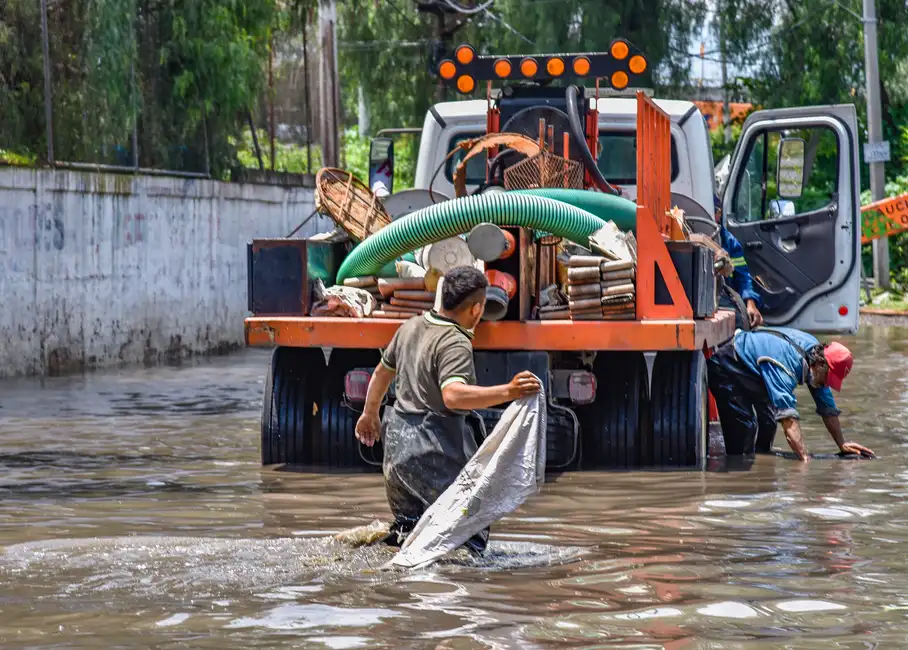
Water Extraction in Virginia, Day or Night
Water Extraction in Virginia starts with removing standing water and finding where moisture has traveled. Our team serves homes and businesses across Virginia, from coastal storm flooding to frozen-pipe leaks inland, and provides Flood Cleanup in Virginia with measured drying, clear next steps, and practical communication.
- Licensed & Insured
- Transparent Pricing
- Same-Day Service
- 24/7 Emergency
Licensed
Licensed & Bonded
Fully Insured
Insured & Bonded
24/7 Emergency
Same-Day Response
Warranty Backed
Workmanship Guaranteed

15+
Years Local Trade
Water Extraction in Virginia, Statewide
Water Extraction in Virginia is emergency property recovery that removes unwanted water and begins controlled drying after leaks, flooding, or plumbing failures. Virginia Water Extraction Pros connects homeowners and businesses with independent companies serving the state's coastal, Piedmont, and mountain communities. From a burst pipe water damage event in winter to basement flooding after a summer downpour, the first priorities are stopping the source, protecting people, and limiting damage to floors, drywall, and belongings.
Our statewide service network covers Northern Virginia, Richmond, Hampton Roads, the Shenandoah Valley, and the Roanoke region. Crews use moisture meters to check beyond visible puddles and select extraction equipment for the affected area; a portable wet vacuum can suit a small overflow, while a truck-mounted extraction unit handles larger water loads. If you are searching for a 24/7 Water Extraction company in Virginia, call to describe the water source and affected rooms.
3,200+
Jobs Completed
4.9★
Google Rating
24/7
Emergency Line
Virginia Water Extraction Services
Virginia Water Extraction Pros connects you with independent crews for urgent water removal, structural drying, and cleanup after common household and commercial losses. Our service lineup addresses clean supply-line leaks as well as stormwater and contaminated floodwater, with the response matched to the source and the materials affected. For fast floodwater removal and property drying in Virginia, crews assess standing water, check moisture, and explain the work before it begins.
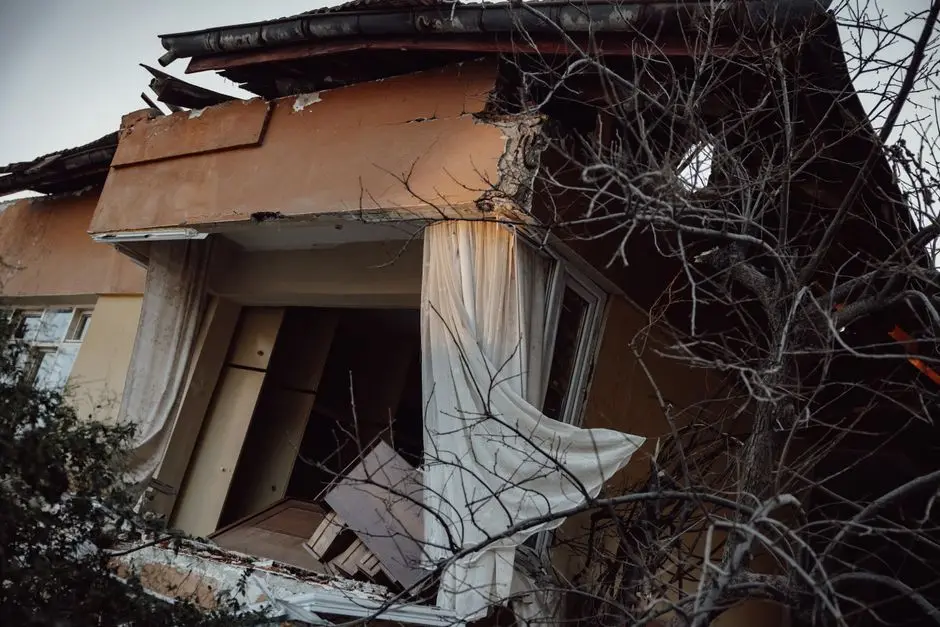
Water Damage Restoration
View Details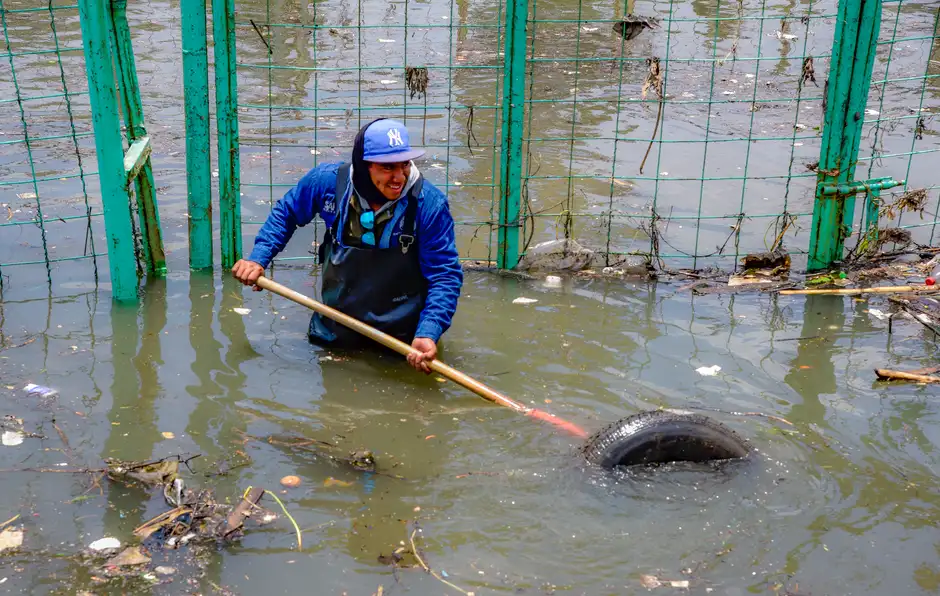
Flood Water Removal
View Details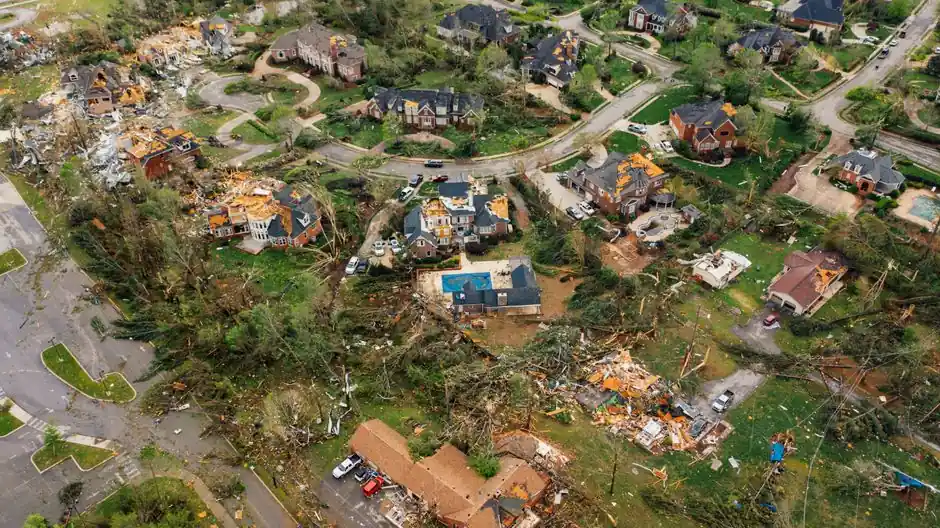
Storm and Hurricane Water Damage Cleanup
View Details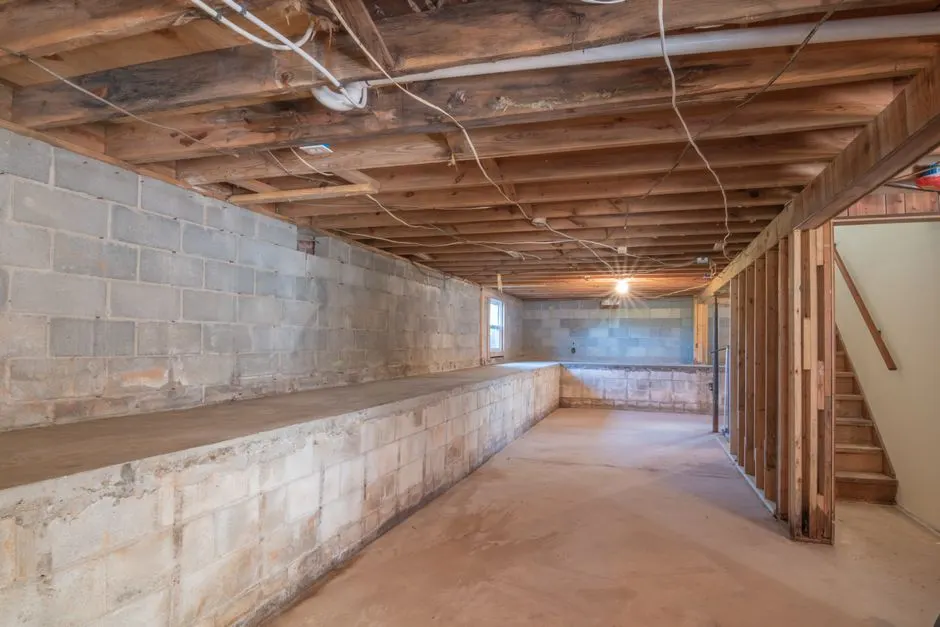
Basement and Crawl Space Water Removal
View Details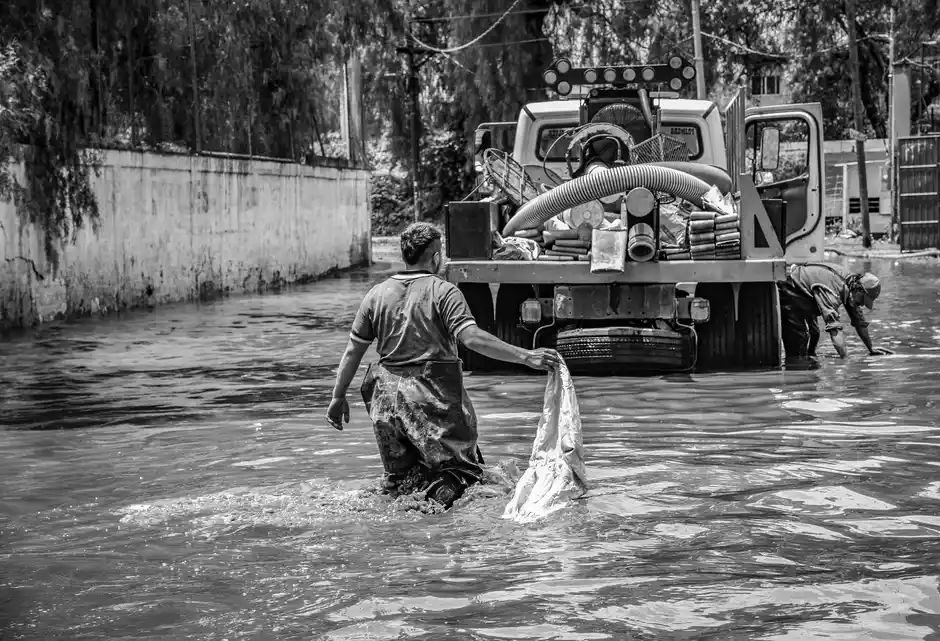
Standing Water Removal
View Details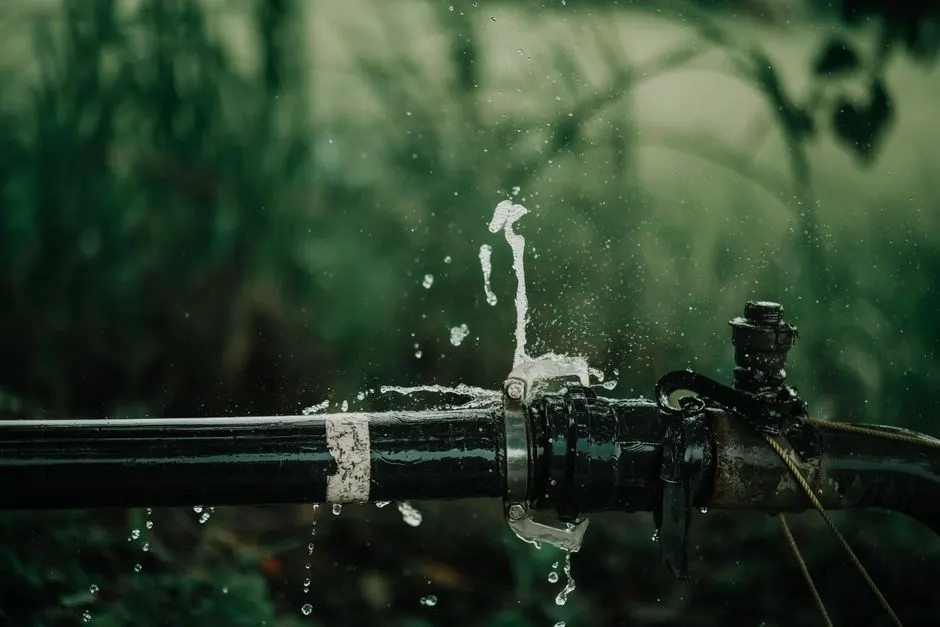
Burst Pipe and Plumbing Leak Water Extraction
View Details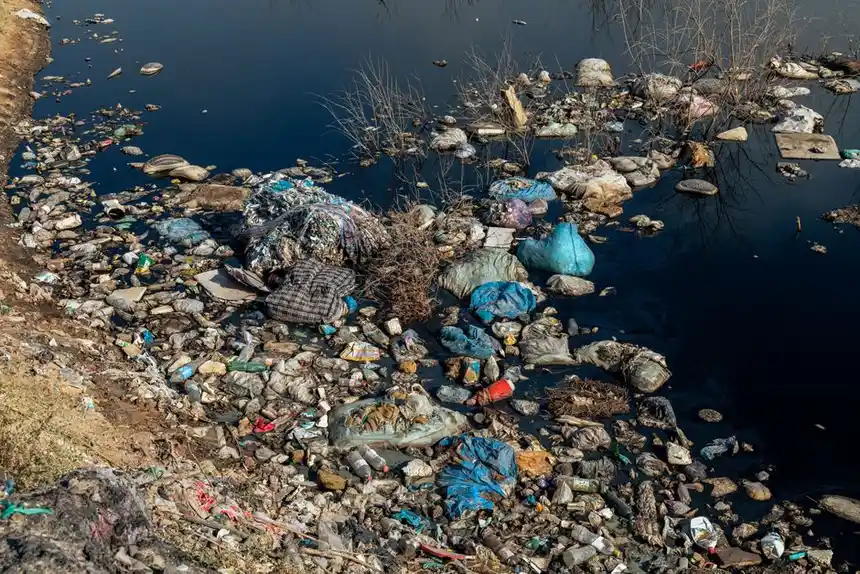
Sewer Backup and Contaminated Water Cleanup
View Details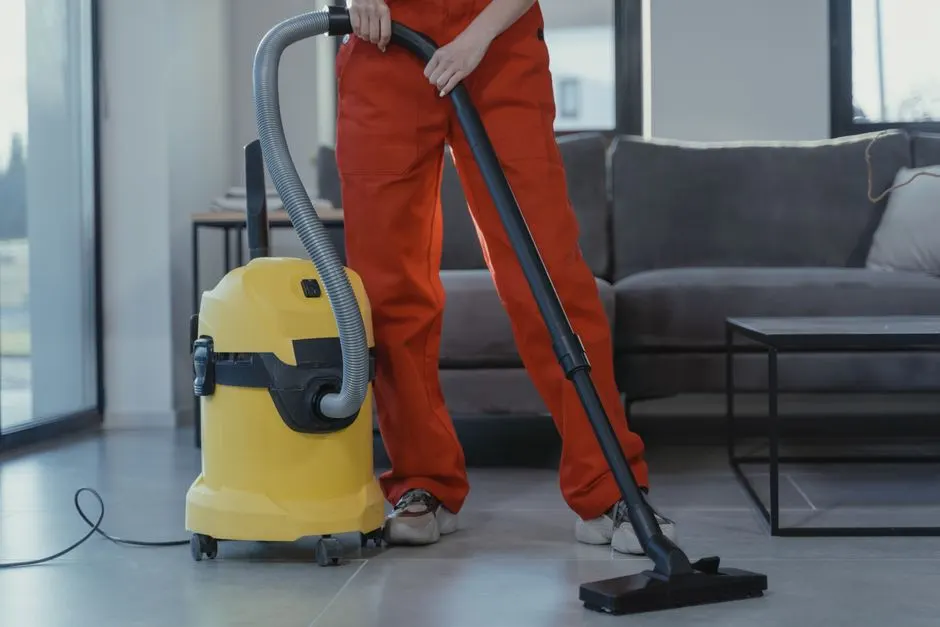
Appliance Leak Water Removal
View Details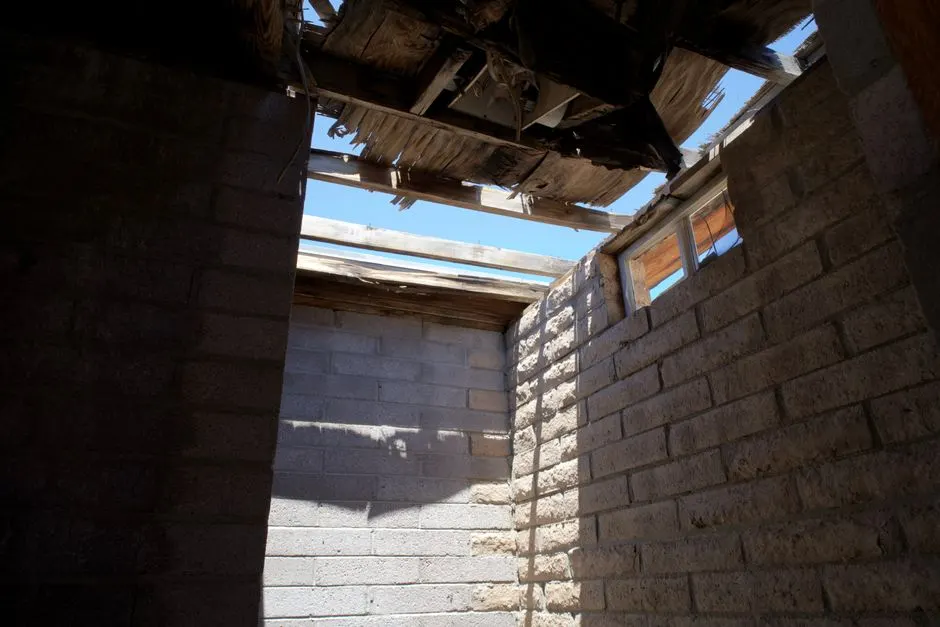
Roof Leak and Ceiling Water Damage Cleanup
View Details
BBB AccreditedEPA CertifiedAngi ProHomeAdvisorNATE CertifiedGoogle Verified
Measured Water Extraction Across Virginia
Measured work keeps a water loss from becoming a guessing game. Virginia crews start by identifying the water category and affected materials, then choose extraction and drying equipment to fit the job. You receive practical updates about readings, equipment placement, and the next check, rather than a promise that a wet room will simply dry on its own.
-
Equipment Matched to the Loss A small appliance overflow does not need the same setup as a flooded basement. Crews choose a portable wet vacuum for localized water or a submersible pump when depth calls for it, then use air movers and commercial dehumidifiers as indicated. Moisture readings guide adjustments, so you can see whether the affected materials are drying.
-
Standards-Based Drying Decisions IICRC Water Damage Restoration Technician and Applied Structural Drying training are relevant credentials for water-loss work, and the IICRC S500 Standard for Professional Water Damage Restoration guides professional practice. Ask the responding company which technicians hold these credentials. The crew should document affected areas, equipment, and moisture readings throughout your job.
-
Flood Cleanup for Virginia Conditions Flood Cleanup in Virginia must account for coastal storm surge, humid summer weather, and winter pipe breaks in colder inland areas. The responding crew selects removal and drying methods for the source, temperature, and materials involved. That distinction matters when floodwater, a roof leak, or a clean plumbing leak has affected your property.
98%
Of our customers refer us within the first year.
How Water Removal Works
Water Extraction in Virginia follows a practical sequence: control hazards, remove water, then dry and verify affected materials. Your call gives the responding company the source, water depth, and rooms involved, helping the crew bring appropriate equipment. The exact scope depends on what the inspection finds.
01
Call and Triage
Tell us where the water came from, whether it is still flowing, and which rooms are affected. We connect you with an independent company serving your area. If water is near outlets or appliances, keep clear and shut off power only from a dry, safe location.
02
Inspect and Extract
The crew checks for hazards, identifies clean or contaminated water, and estimates the affected area. A pump or extraction unit removes standing water; the technician then checks floors, baseboards, and accessible wall areas for moisture. You will hear what the readings show.
03
Dry and Recheck
Air movers and dehumidifiers circulate and remove moisture after extraction. Technicians return to record readings and adjust equipment as materials dry; a small room can take 2-3 days, while wet assemblies or widespread flooding can take longer. You receive updates on progress and remaining work.
Stop Water Damage Before It Spreads
Water moves into flooring, insulation, and wall cavities long after the visible pool is gone. Virginia weather adds different pressures: winter freezes threaten pipes inland, while coastal storms bring wind-driven rain and flooding. If you are weighing how to choose a Virginia water damage cleanup company, look for clear source identification, documented moisture checks, and an explanation of the drying plan.
01
Frozen supply lines leak into walls during Virginia's winter cold snaps.
(Our Fix)After the leak is stopped, crews extract water from floors and accessible cavities, then check surrounding materials for hidden moisture. They use drying equipment suited to the room and track readings rather than relying on touch alone. If water reached electrical equipment, leave the area until it has been assessed safely.
02
Coastal storm rain drives water through roofs, doors, and low-level rooms.
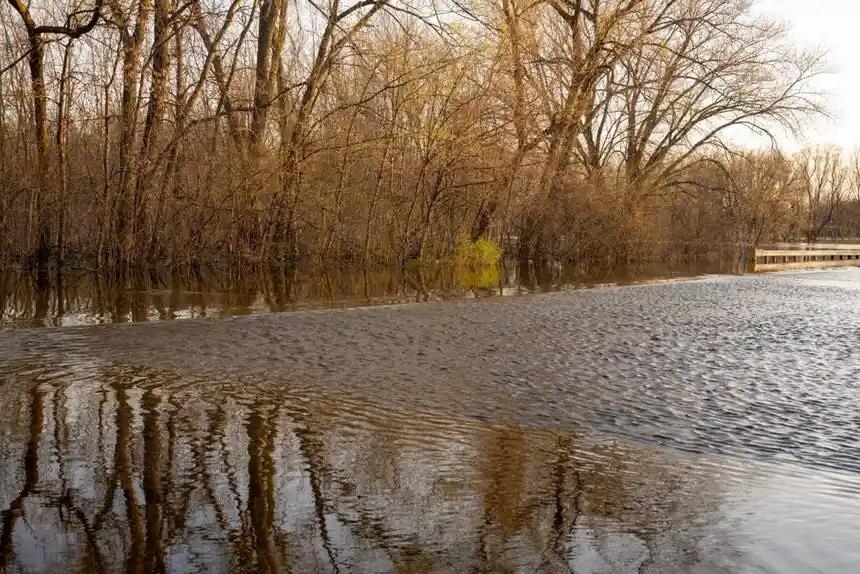
(Our Fix)Hampton Roads and the Virginia Beach area can face heavy rain and tropical storm flooding. Crews remove water, protect salvageable contents, and separate contaminated or sediment-laden areas from clean spaces. A moisture check helps identify wet drywall and insulation that are not visible from the room.
03
Spring downpours leave crawl spaces and basements holding standing water.
(Our Fix)Crews pump standing water, inspect the accessible area, and check framing and insulation for lingering moisture. They can also note the likely water entry path so you can address drainage or plumbing concerns separately. Removing water quickly limits prolonged damp conditions that can contribute to secondary mold growth.
04
Sewer backups contaminate floors and contents in finished rooms.
(Our Fix)A sewer backup calls for restricted access, protective equipment, and controlled removal of affected materials. The cleanup company separates contaminated contents, cleans according to product label directions, and identifies porous items that require special handling. Do not walk through the water or run a household fan across the affected area.
Service Across Virginia
Our referral network reaches Virginia's coastal communities, Northern Virginia corridor, central metros, Shenandoah Valley, and western highlands. Independent companies serve Virginia Beach, Chesapeake, Norfolk, Richmond, Arlington, Roanoke, and communities between them. Coastal humidity and storm exposure differ from colder mountain winters, so the responding crew considers local conditions when planning Virginia Flood Cleanup and structural drying.
- Virginia
- Virginia
- Virginia
- Virginia
- Virginia
- Virginia
- Virginia
- Virginia
- Virginia
- Virginia
- Virginia
- Virginia
- Virginia
- Virginia
- Virginia
- Virginia
- Virginia
- Virginia
- Virginia
- Virginia
- Virginia
- Virginia
- Virginia
- Virginia
- Virginia
- Virginia
- Virginia
- Virginia
- Virginia
- Virginia
- Virginia
- Virginia
- Virginia
- Virginia
- Virginia
- Virginia
- Virginia
- Virginia
- Virginia
- Virginia
- Virginia
- Virginia
- Virginia
- Virginia
- Virginia
- Virginia
- Virginia
- Virginia
- Virginia
- Virginia
Virginia Water Extraction FAQs
Get direct answers about cost, emergency response, and choosing a cleanup company. Water volume, contamination, affected materials, and drying time shape each job, so the responding crew inspects the property before setting a final scope.
How much does Water Extraction cost in Virginia?
Small clean-water extraction jobs often cost $250-$700, while multi-room drying projects can range from $1,200-$4,500 or more in 2026. The price depends on water category, affected square footage, materials, equipment days, and access. A contaminated sewer loss or deep basement flood requires added precautions and can cost more. The independent company assesses the damage and explains the job price before work begins.
How do I find Flood Cleanup near me in Virginia?
Call Virginia Water Extraction Pros at +1-866-896-8166 and share your city, water source, and whether water is still entering the property. We connect you with an independent company serving your area. For emergency water removal services Virginia residents should describe any sewer backup, electrical hazard, or stormwater contamination immediately, since those details affect safe access and equipment selection.
Who provides emergency Water Extraction 24/7 in Virginia?
Virginia Water Extraction Pros refers callers to independent companies that handle emergency water-loss calls across Virginia. Call +1-866-896-8166 and explain the leak or flood, affected rooms, and your location. A responding company can confirm service coverage and discuss next steps. While waiting, avoid contaminated water and do not enter rooms where water may contact energized outlets or equipment.
How do I choose a reliable Flood Cleanup company in Virginia?
Choose a company that identifies the water source, distinguishes clean from contaminated water, documents moisture readings, and explains its drying plan. Ask whether technicians hold relevant IICRC training, including WRT or ASD, and whether their work follows the IICRC S500 standard. A sound crew also explains equipment placement and checks affected materials instead of judging dryness by appearance alone.
How long does water extraction and drying take?
Water removal can take a few hours for a small, accessible leak, while structural drying commonly takes 2-5 days and longer for saturated assemblies or major flooding. The crew's moisture readings, material type, room temperature, and humidity determine when equipment can be removed. A technician should recheck affected areas during drying and explain any change to the expected timeline.
Call for Water Extraction in Virginia
A leaking pipe or flooded room needs prompt attention. Call Virginia Water Extraction Pros at +1-866-896-8166; we connect you with independent companies serving communities across Virginia. Tell us what happened, where the water is, and whether anyone is at risk.
Contact Our Team
Call Virginia Water Extraction Pros at +1-866-896-8166 any time to report a leak, flood, or sewer backup. We take calls 24/7 and connect you with independent companies serving Virginia communities. Share your location, the water source, and the rooms affected so the responding company can discuss the next step with you.
Virginia Water Extraction Pros
-
Phone
+18668968166 -
Address
Virginia
-
Hours
Mon–Fri: 7AM – 7PM
Sat: 8AM – 4PM
Sun: Emergency Only
24/7 Emergency Available