
Logo
Get Estimate

Flood Water Removal in Virginia for Fast Recovery

Standing water out, damage checked, drying underway


Flood Water Removal in Virginia helps homeowners and property managers recover from storm flooding, burst pipes, sewer backups, and overflowing appliances. Our crew pumps out standing water, checks how far moisture has spread, and starts drying affected materials before secondary mold growth takes hold. If your basement, first floor, or crawl space is flooded, call Virginia Water Extraction Pros for floodwater extraction in Virginia and a clear next step.

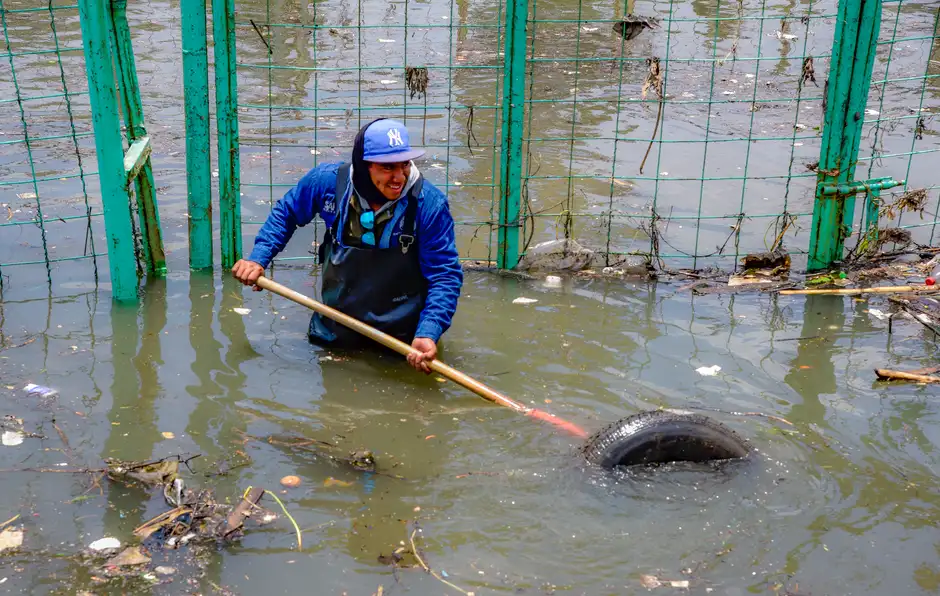
Man removing debris from flooded polluted water with a stick, highlighting urban pollution.
Licensed Licensed & Bonded
Fully Insured Insured & Bonded
24/7 Emergency Same-Day Response
Warranty Backed Workmanship Guaranteed

What Flood Water Removal Includes

Flood Water Removal covers the first response to standing water and the initial steps that limit further damage. We inspect hazards, extract accessible water, identify affected materials, and set drying equipment when appropriate. Repair work such as replacing drywall, insulation, flooring, or cabinetry is a separate construction step after the wet materials and conditions are understood.

Water Source Assessment

We ask where the water came from, check whether it is still entering, and assess possible electrical or contamination hazards. Identifying a burst pipe, roof opening, or sewer backup shapes the extraction method and determines whether the area needs containment before work continues.
Pumping and Extraction

We remove standing water with equipment suited to depth and access, then extract remaining surface water from floors and low areas. The goal is to remove bulk water efficiently without spreading it into unaffected rooms. We check corners, closets, and utility spaces that are easy to overlook.

Moisture Inspection

Moisture readings help locate damp materials beyond the visible waterline. We inspect floor edges, baseboards, wall cavities where accessible, and adjacent rooms. The findings guide drying placement and identify material that requires closer evaluation rather than being left wet behind a finished surface.

Initial Drying Setup

Where materials can be dried in place, we position air movers and dehumidification equipment to support evaporation and moisture removal. We explain safe equipment access and return to check readings. Drying duration depends on the water volume, material type, airflow, and conditions inside the building.

Affected Material Guidance

We identify visibly damaged porous materials such as saturated carpet padding, drywall, or insulation and explain the practical next step. Contaminated materials need stricter handling than clean-water damage. You receive a clear account of what was removed, what is drying, and what needs repair.

Flood Water Removal in Virginia: What It Covers


Flood Water Removal in Virginia is an emergency property recovery service that removes standing water and begins drying after flooding or a major indoor leak. We first identify electrical and contamination hazards, then use pumps or extraction equipment suited to the water depth and access. A moisture meter and thermal imaging camera help us trace damp areas beyond the visible puddle, including wall cavities and beneath flooring. We document affected materials, remove waterlogged contents when needed, and set drying equipment according to measured conditions rather than guesswork.

Virginia properties face different water problems through the year: winter pipe breaks, spring downpours, summer thunderstorms, and coastal storm flooding. Older basements, slab-on-grade homes, and crawl spaces each need a different extraction plan. Our Virginia flood water removal work addresses clean-water leaks as well as contaminated floodwater, with protective equipment and disinfection selected for the source. For Virginia basement flood cleanup and water pumping, we remove accessible water, check moisture migration, and explain which materials need further drying or removal.

How Flood Cleanup Proceeds

Flood Water Removal in Virginia follows a measured sequence: make the area safer, remove the bulk water, check hidden moisture, and establish drying. We explain each stage before moving equipment or materials, so you know what is happening in your home and what the next visit or check will address.

01

Schedule

Call or book online — a real human picks up and confirms a 2-hour arrival window.

02

Diagnose

Licensed tech inspects on-site, then walks you through the cause and your options.

03

Fix

The job is completed to code and done right the first time — no shortcuts, no surprises.

04

Guarantee

Every job backed by a written workmanship warranty — and we stand behind it.

Equipment and Drying Methods

Tools & Equipment

Truck-mounted extraction unit

Removes large volumes of water from accessible floors and carpeted areas. Its strong extraction is useful after bulk pumping, when surface water remains in a broad room or connected hallway.

Submersible pump

Moves deeper standing water out of basements, utility rooms, and low crawl spaces. We position it where water collects and monitor the level so pumping can continue safely.

Moisture meter

Measures moisture in building materials and helps compare affected surfaces with dry reference areas. We use readings to locate wet edges and track whether drying is progressing.

Thermal imaging camera

Helps identify temperature patterns that can point to damp areas behind finishes. We verify suspected moisture with direct measurements rather than treating the image alone as proof.

Dri-Eaz air mover

Directs airflow across wet surfaces to support evaporation. Placement is adjusted to the room layout and moisture readings so air reaches affected materials without obstructing safe access.

Commercial dehumidifier

Pulls moisture from indoor air during structural drying. We use a hygrometer and follow-up readings to understand whether humidity and material conditions are moving in the right direction.

Methods & Standards

Water category assessment

We identify whether water came from a clean supply line, a gray-water appliance source, or contaminated outdoor or sewer water. The source affects protective equipment, containment, cleaning, and decisions about porous materials. We do not treat every flood as ordinary water.

Moisture mapping

We inspect visible surfaces and likely travel paths, then record readings at affected and comparison areas. Mapping helps find damp wall edges, floor transitions, and concealed pockets. Follow-up measurements guide equipment adjustments and help determine when drying objectives have been reached.

Contained extraction

Where contamination or debris is present, we protect clean sections with polyethylene sheeting and control how equipment and materials move through the property. We remove water and affected debris in an organized sequence, reducing the chance of spreading contaminants into unaffected rooms.

Structural drying

We combine airflow and dehumidification to remove moisture from air and materials that are suitable to dry in place. Equipment placement responds to room size, material density, and readings. We check progress and change the setup when the measurements show a stagnant or uneven drying pattern.

When Flood Removal Is Needed

01

A frozen pipe breaks overnight and leaves water across a finished basement before you find the shutoff.

What we do: We begin with a safety and source check, then pump or extract water from the basement and inspect connected rooms. Moisture readings help locate water beneath flooring and at wall edges. We set drying equipment only after the affected materials and access are understood.

→ You get standing water removed, concealed wet areas identified, and a drying plan that addresses the damage rather than only the visible puddle.

02

A summer downpour sends runoff through a ground-level door into a family room and storage area.

What we do: We remove pooled water, separate any outdoor contaminants from clean surfaces, and inspect flooring, baseboards, and stored items. If water has reached porous materials, we explain cleaning or removal needs and begin controlled drying where appropriate.

→ The rooms are cleared of bulk water and organized for drying, with affected belongings and building materials identified for next steps.

03

A sewer drain backs up into a laundry room, leaving a foul-water layer around appliances and floor edges.

What we do: We restrict access, use protective procedures, and remove contaminated water without carrying it through clean parts of the home. Affected porous materials are assessed, surfaces are cleaned according to product directions, and the area is prepared for any required remediation.

→ Contaminated water is removed and the affected zone is clearly separated, cleaned, and ready for safe follow-up work.

04

A roof leak during a coastal storm wets a ceiling and sends water down into a bedroom wall.

What we do: We check the ceiling and wall for active moisture, extract accessible water, and identify where water has travelled. After the roof opening is protected, we set drying equipment and track readings. Any unsafe or loose ceiling material is kept clear until it can be addressed.

→ The source-related wet area is mapped, water is removed, and drying can proceed while permanent roof repairs are arranged.

How Flood Removal Works Across Virginia

Virginia's climate brings winter freezes, spring rain, humid summers, and occasional coastal storms, so the cause and timing of a flood vary by region. In older homes, finished basements and masonry foundations can hold moisture differently from newer slab construction. Coastal properties may face wind-driven rain and storm surge, while inland neighborhoods see creek overflow, runoff, or burst pipes during cold snaps. Our Virginia flood water removal crew first considers the water source, access, and building materials, then selects extraction and drying equipment. For how to get floodwater removed quickly in Virginia, call with the water depth, source, and whether electricity or sewage is involved. We use measured conditions, not a blanket drying schedule. Local building and disposal requirements can vary by project and jurisdiction, so we follow applicable rules for the work being performed and coordinate repairs with the appropriate trades where needed.

Neighborhoods We Serve

  • Arlington neighborhoods

    Tightly spaced homes and multi-unit buildings can limit equipment access. We plan hose routes and protect shared corridors while keeping affected units separated from clean areas.

  • Centreville communities

    Finished lower levels and storage rooms can conceal water beneath flooring or behind baseboards. We check adjacent spaces rather than treating the first visible puddle as the full footprint.

  • Woodbridge residential areas

    Storm runoff and basement seepage can affect lower-level rooms and utility areas. We assess water depth, drainage access, and the materials at risk before choosing a pump or extraction setup.

  • South Riding homes

    Multi-level layouts can let water travel from an upper leak into ceilings and walls below. We inspect connected floors and identify the path before placing drying equipment.

Local Conditions We Plan For

  • Cold snaps increase the risk of frozen and burst plumbing

    Water from a pipe break can reach several rooms before the leak is isolated. We check the source, extract quickly, and inspect wall cavities and flooring where water may have travelled beyond the room of origin.

  • Humid summer weather slows indoor moisture release

    High indoor humidity can reduce natural drying and increase the need for controlled dehumidification. We monitor air and material readings, adjusting equipment to the measured conditions instead of relying on open windows alone.

  • Coastal storms can introduce debris and contaminated runoff

    Outdoor floodwater can carry sediment and contaminants into ground-level rooms. We separate affected areas, use suitable protective procedures, and evaluate porous materials before deciding whether cleaning or removal is appropriate.

Basement After Heavy Rain

Before

A finished basement has 2 inches of water across roughly 500 square feet after runoff enters through a low doorway. Carpet padding is saturated, boxes are wet, and the homeowner cannot tell whether the water reached the lower drywall. The visible water is only part of the concern.

After

We pump out the standing water, extract remaining floor moisture, and map the affected edges. The carpet padding is identified for removal, and drying equipment is placed to address the exposed floor and lower wall area. Follow-up readings show which materials are drying and which need repair.

Maintenance: Keep exterior drains clear, store boxes on shelving, and check the doorway after heavy rain. If water returns, note the entry point and depth before cleanup so the source can be addressed along with the interior damage.

Before

A split pipe sends water under laminate flooring and into the adjoining hallway. The leak is stopped, but the surface still looks damp several hours later. Baseboards are swollen in one corner, and the homeowner is unsure whether water has entered the wall.

After

We extract the water from both rooms and take readings along the floor transition and wall edges. Affected sections are marked, and drying equipment is placed to move air across the wet materials. The inspection identifies a concealed damp area that would not have been obvious from the surface.

Maintenance: After plumbing repairs, check the room and nearby hallway for recurring dampness or odor. Keep the drying area accessible and avoid replacing baseboards or flooring until moisture checks support the next repair step.

Before

A floor drain backs up into a laundry room, leaving a shallow layer of contaminated water around the washer and stored items. The water has reached cardboard boxes and the bottom edge of a nearby cabinet, creating a risk of cross-contamination.

After

We isolate the room, remove contaminated water, and assess porous items and cabinet edges. Affected debris is handled separately, and suitable surfaces are cleaned using label-directed disinfectant. The homeowner receives a clear record of what was removed and what needs further repair or remediation.

Maintenance: Keep the floor drain accessible and avoid storing cardboard or fabric directly on the floor. If a drain backs up again, stop using connected fixtures and keep people and pets out until the source is assessed.

Stop Flood Damage Before It Spreads

Flooding can leave more than a wet floor: moisture can move through trim, carpet padding, and wall cavities while contaminated water threatens clean areas. We remove standing water, check the materials around it, and establish drying based on measurements. Early action helps you limit secondary damage and make repair decisions with better information.

Problem

Basement water rising after intense rain

Water can soak stored items, carpet padding, and lower drywall; prolonged dampness raises the risk of material deterioration and secondary mold growth.

Our Fix

We assess entry points and water depth, pump out the basement, and check adjoining walls and flooring for moisture spread. Air movers and a commercial dehumidifier support drying where materials are salvageable. We separate contaminated items from belongings that can be cleaned, then review readings with you.

Problem

Sewer backup leaves contaminated water indoors

Contact with sewage can expose people to harmful contaminants, while porous flooring and furnishings may hold residue even after visible water disappears.

Our Fix

We isolate the affected area, use suitable protective equipment, and remove contaminated water and unsalvageable porous materials. Our crew cleans affected surfaces with products used according to label directions and keeps equipment from tracking debris into clean rooms. We explain what requires further remediation.

Problem

A burst pipe saturates walls and flooring

Water can travel under finished floors and into wall cavities, damaging insulation and creating hidden wet areas that remain unnoticed after the leak stops.

Our Fix

We extract water from exposed surfaces, map moisture around the leak path, and check concealed edges with appropriate inspection tools. Drying equipment is placed where readings show it is needed. If drywall or insulation is saturated, we identify the affected section so it can be addressed rather than sealed in.

Problem

Roof leak leaves ceiling and rooms below wet

Saturated ceiling materials can sag or deteriorate, and water may continue down framing into walls, flooring, and stored contents below.

Our Fix

We check the ceiling and nearby wall surfaces, remove accessible water, and trace moisture beyond the visible stain. Once the roof opening is protected, we establish drying and monitor readings. We help you distinguish the water-removal work from the roof repair needed to stop another intrusion.

Practical Results After Flooding

Practical Results After Flooding

Flood cleanup works best when water removal and drying are handled as one connected job. We measure before and during the work, protect unaffected areas, and give you concrete updates about what has been extracted and what remains damp. That helps you make informed decisions about flooring, drywall, and belongings.

  • Less Water Left Behind

    A submersible pump handles deeper water while a truck-mounted extraction unit or portable wet vacuum reaches shallower areas and edges. We check low points, closets, and utility spaces instead of stopping when the main floor looks clear. For residential floodwater cleanup Virginia homeowners receive a documented extraction plan based on the affected rooms.

  • Drying Based on Readings

    We place air movers and a commercial dehumidifier to move moisture out of building materials, then track readings with a moisture meter and hygrometer. Drying is not judged by touch alone. You get a practical picture of progress, including the materials that need another check before equipment is removed.

  • Contamination Managed Correctly

    Floodwater from a sewer backup or ground flooding is handled differently from a clean supply-line leak. Our crew isolates affected areas with polyethylene sheeting, wears disposable nitrile gloves where required, and applies an antimicrobial disinfectant according to its label. This reduces cross-contamination while we remove damaged porous material.

  • Clearer Repair Decisions

    Extraction and moisture mapping help distinguish salvageable finishes from saturated carpet padding, drywall, or insulation that cannot be dried in place. We explain the readings and record affected areas, giving you useful information for repair planning and your insurance conversation without promising a claim outcome.

Standards and Work Practices

Licensed & Certified

  • Water Damage Restoration Technician — issued by Institute of Inspection, Cleaning and Restoration Certification
  • Applied Structural Drying — issued by Institute of Inspection, Cleaning and Restoration Certification
  • Applied Microbial Remediation Technician — issued by Institute of Inspection, Cleaning and Restoration Certification
  • IICRC S500 Standard for Professional Water Damage Restoration — issued by Institute of Inspection, Cleaning and Restoration Certification

Verified Reviews

Customer feedback Not stated

A homeowner described a basement flood after a storm and said the crew pumped out the water, checked the walls, and returned to review drying readings. The clear explanation of what was wet helped the family decide what belongings and materials needed further attention.

Customer feedback Not stated

A customer with a burst-pipe loss said technicians extracted water from two rooms and checked beneath flooring edges. They appreciated that the crew explained the difference between removing visible water and confirming that building materials were drying.

Customer feedback Not stated

After a drain backup, a homeowner said the team kept the affected laundry room separated from clean areas and explained how contaminated materials would be handled. The direct process and follow-up guidance made the next repair decisions easier.

Field Knowledge and Standards

Flood Water Removal in Virginia calls for sound field decisions, not just a pump. Our technicians assess the source, water category, building materials, and access before choosing an extraction and drying approach. Training aligned with IICRC Water Damage Restoration Technician (WRT) and IICRC Applied Structural Drying (ASD) principles supports consistent documentation and moisture control. Where contaminated water or microbial concerns arise, the work plan accounts for appropriate containment, personal protective equipment, and cleaning procedures. We do not claim a fixed number of years or jobs; we focus on measured conditions and clearly explained work.

  • Technicians apply IICRC Water Damage Restoration Technician principles to water categories, material impacts, and practical extraction choices.
  • Applied Structural Drying methods guide airflow and dehumidification placement, with progress checked against moisture readings.
  • Our crew follows the IICRC S500 Standard for Professional Water Damage Restoration as a reference for restoration procedures.
  • For suspected microbial contamination, containment and remediation decisions are informed by IICRC S520 Standard for Professional Mold Remediation.
  • Chemical handling and disinfectant use follow product labeling and OSHA Hazard Communication Standard practices.
Get Started Today
Field Knowledge and Standards

Flood Water Removal Questions

Real answers to the questions we hear most often from local homeowners and property managers.

Who provides Flood Water Removal in Virginia?
Virginia Water Extraction Pros provides Flood Water Removal in Virginia for flooded homes and buildings. Call +18668968166 to describe the source, water depth, and affected rooms so we can identify the right first steps. Our crew checks for hazards, extracts standing water, and assesses drying needs. For a large loss, contaminated water, or water near electrical equipment, keep people out of the affected area until it has been assessed.
How soon should floodwater be removed from a home?
Remove floodwater as soon as it is safe, ideally within 24 hours, because wet materials can deteriorate and microbial growth can begin within 24 to 48 hours. Avoid entering water near electricity or sewage. We start by checking hazards and the water source, then pump and extract accessible water. Flood Water Removal in Virginia after heavy rain also includes checking walls, flooring, and lower-level spaces for moisture that is not visible.
Can floodwater removal companies clean contaminated water?
Yes, trained crews can remove contaminated water and clean affected surfaces using containment and source-appropriate protective procedures. Sewage and ground floodwater are treated as contamination risks, not as ordinary clean-water leaks. We isolate the area, remove waterlogged porous materials when necessary, and use an antimicrobial disinfectant in accordance with its EPA-registered disinfectant label compliance requirements. Tell us if you know the water came from a drain, sewer, or outdoor flood.
What does floodwater extraction cost in Virginia?
A small, accessible extraction often costs about $300 to $900, while extensive or contaminated losses can exceed $2,500; typical 2026 pricing depends on scope. Depth, square footage, water category, after-hours response, material removal, and drying duration all affect the total. We explain upfront pricing before work proceeds. For floodwater extraction near me in Virginia, call with the affected area and estimated water depth for a useful initial discussion.

Related Water Damage Services

Emergency Water Extraction

Emergency extraction focuses on getting standing water out before it spreads into additional rooms or materials. We assess the source and access, then choose pumping or vacuum extraction suited to the depth. It connects directly to flood cleanup when minutes matter and drying must begin promptly.

View Emergency Water Extraction

Water Damage Restoration

After extraction, restoration addresses the building materials and finishes affected by water. We monitor drying, identify damaged drywall or flooring, and help you understand what repairs remain. This service carries the work beyond a clear floor toward a documented, dry structure ready for appropriate repairs.

View Water Damage Restoration

Storm and Hurricane Water Damage Cleanup

Storm runoff and wind-driven rain can enter through doors, windows, roofs, or foundation openings. We remove water, separate contaminated areas, and check rooms adjoining the visible damage. Cleanup addresses the immediate flood loss while supporting the drying process after severe weather.

View Storm and Hurricane Water Damage Cleanup

Basement and Crawl Space Water Removal

Basements and crawl spaces trap water where access and ventilation are limited. We pump standing water, inspect lower wall sections and framing, and set drying equipment to suit the space. Prompt removal helps protect stored belongings, structural materials, and building systems located below the main floor.

View Basement and Crawl Space Water Removal

Standing Water Removal

Standing water removal targets pooled water from leaks, flooding, or failed appliances. We identify low points and select a pump or extraction tool to match the depth and surface. Once the visible water is gone, moisture checks show whether flooring, trim, or nearby walls still need drying.

View Standing Water Removal

Burst Pipe and Plumbing Leak Water Extraction

A burst pipe can send clean water through multiple rooms before the shutoff is found. We extract water from floors and affected cavities, then map moisture migration. Once the plumbing leak is stopped, drying equipment helps limit damage to drywall, insulation, cabinets, and flooring.

View Burst Pipe and Plumbing Leak Water Extraction

Call for Flood Water Removal in Virginia

Standing water keeps working into floors and walls while it sits. Our technicians will discuss the water source, safety concerns, and affected area, then guide the next step. Call Virginia Water Extraction Pros at +18668968166 for 24/7 emergency help.

Call Now Call for Help

Contact Our Team

Call Virginia Water Extraction Pros at +1-866-896-8166 any time to report a leak, flood, or sewer backup. We take calls 24/7 and connect you with independent companies serving Virginia communities. Share your location, the water source, and the rooms affected so the responding company can discuss the next step with you.

Or call us right now at +18668968166 — we answer.

Virginia Water Extraction Pros


  • Phone

    +18668968166
  • Address

    Virginia

  • Hours

    Mon–Fri: 7AM – 7PM
    Sat: 8AM – 4PM
    Sun: Emergency Only
    24/7 Emergency Available

Call +18668968166 Get Quote
Call Quote