
Logo
Get Estimate

Storm and Hurricane Water Damage Cleanup in Virginia

We extract floodwater and dry storm-damaged homes


Storm and Hurricane Water Damage Cleanup in Virginia helps homeowners and property managers get standing water out and wet building materials drying after severe weather. We handle roof leaks, wind-driven rain, basement flooding, and hurricane-driven water intrusion, from the first extraction through moisture checks. If water is spreading through your rooms or ceiling, our Virginia storm and hurricane water damage cleanup team is ready to help limit additional damage.

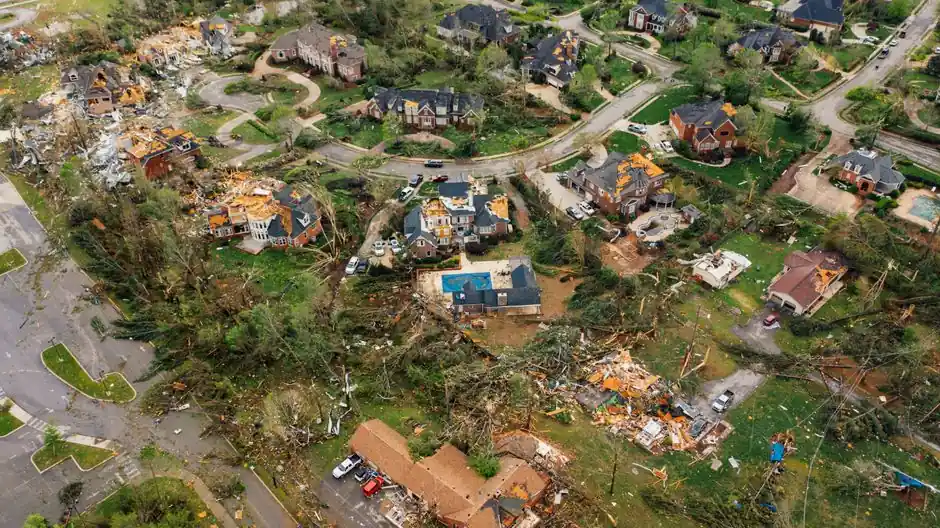
Aerial view of small settlement with destroyed houses and bent uprooted trees after hurricane
Licensed Licensed & Bonded
Fully Insured Insured & Bonded
24/7 Emergency Same-Day Response
Warranty Backed Workmanship Guaranteed

What Storm Cleanup Includes

Our storm cleanup covers the response from initial water assessment through extraction and drying monitoring. We document affected areas, remove standing water, and check wet building materials so the next step is based on condition rather than appearance. If contaminated water or damaged construction materials are found, we explain the additional handling required and coordinate the cleanup approach with you.

Water Source Assessment

We inspect visible entry points and identify whether water came through the roof, windows, foundation, or drains. The source helps determine whether ordinary rainwater procedures are suitable or whether contaminated floodwater precautions are needed. We also note active leaks that require immediate containment.
Standing Water Extraction

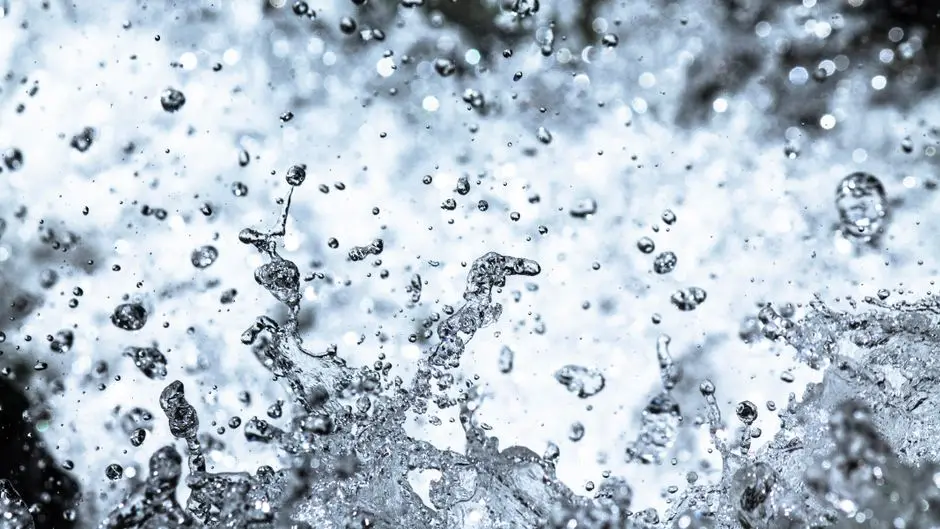
We remove accessible pooled water using pumps, extraction units, and wet vacuums appropriate to the volume. Technicians focus first on low areas and water paths into adjacent rooms, then check for residual water around floor edges and accessible cavities.

Moisture Mapping

We measure affected surfaces and check likely concealed areas, including lower walls and ceiling edges. A moisture map gives the drying crew a starting point and helps identify when readings have improved. You can see which parts of the property were checked.

Drying Equipment Setup

We place air movers and dehumidifiers to promote evaporation and control indoor humidity. Equipment placement reflects the room layout, material type, and safe access needs. We return to review readings and adjust the setup rather than assuming one arrangement works throughout the job.

Cleaning and Protection

We protect unaffected areas and clean affected surfaces according to the water source and material condition. Where appropriate, antimicrobial disinfectant is applied in accordance with its EPA-registered label. Porous materials that cannot be safely restored are identified for removal rather than covered up.

Storm and Hurricane Water Damage Cleanup in Virginia


Storm and Hurricane Water Damage Cleanup in Virginia is emergency property restoration that removes storm-driven water and dries affected materials after severe weather. We begin by locating standing water, documenting visible damage, and checking floors, wall cavities, and ceilings for moisture. A truck-mounted extraction unit or submersible pump clears bulk water; air movers and commercial dehumidifiers then support controlled drying. We isolate affected areas with polyethylene sheeting when needed and track readings with a moisture meter. The goal is measurable drying, not simply a dry-looking surface.

Virginia's mix of coastal exposure, river corridors, rolling terrain, and inland winter storms creates different water-entry problems from one region to another. Wind can lift shingles, push rain under siding, or saturate insulation before a ceiling stain appears; saturated ground can also drive water into basements and crawl spaces. We perform Virginia storm damage water removal after roof leaks, storm surge, and intense rainfall, including Virginia storm water extraction after coastal flooding. Fast extraction matters because wet drywall, carpet padding, and framing stay vulnerable while moisture remains.

What to Expect During Cleanup

Storm and hurricane flood cleanup in Virginia follows a practical sequence, with immediate safety checks before equipment enters the property. You will see what we inspect, what we remove, and how we confirm drying progress. The duration depends on water depth, affected materials, and access, so we update the plan as readings come in.

01

Schedule

Call or book online — a real human picks up and confirms a 2-hour arrival window.

02

Diagnose

Licensed tech inspects on-site, then walks you through the cause and your options.

03

Fix

The job is completed to code and done right the first time — no shortcuts, no surprises.

04

Guarantee

Every job backed by a written workmanship warranty — and we stand behind it.

Tools and Drying Methods

Tools & Equipment

Truck-mounted extraction unit

We use high-capacity extraction for accessible floor areas with substantial water, reducing the volume left for drying equipment to manage.

Submersible pump

A submersible pump removes deeper standing water from basements and other low areas before technicians complete surface extraction and moisture checks.

Moisture meter

We compare readings at affected and nearby materials to map wet areas and track whether drying is progressing.

Thermal imaging camera

The camera helps locate temperature patterns that warrant moisture testing, especially around roof leaks, wall edges, and concealed water paths.

Commercial dehumidifier

We use dehumidification to remove moisture from indoor air while air movers encourage evaporation from affected building materials.

Methods & Standards

IICRC S500-based restoration

We use the IICRC S500 Standard for Professional Water Damage Restoration to guide assessment, water removal, drying, and documentation. The standard informs decisions about water category and affected materials; field readings and site conditions determine the actual equipment plan. It keeps the work focused on measurable restoration rather than surface appearance.

Source and category assessment

Before selecting cleaning products or handling materials, we identify where the water came from and what it contacted. Roof runoff differs from water that has passed through a drain or outdoor flood area. We protect clean areas and adjust removal and cleaning practices to the observed source.

Targeted structural drying

We position air movers to circulate air across wet surfaces and use dehumidification to control indoor humidity. Technicians monitor conditions and adjust equipment as materials dry. If readings stop improving, we reassess airflow, concealed moisture, and whether a saturated material needs to be opened or removed.

Contained material handling

We isolate the work area when needed and use protective barriers to limit dust and debris movement during cleanup. Materials are evaluated for condition and water exposure before removal. This approach is particularly useful when wet drywall, insulation, or contaminated contents are located beside unaffected living or work spaces.

When Storm Cleanup Is Needed

01

A winter storm tears shingles loose, and melting snow or rain begins dripping through an upstairs ceiling.

What we do: We inspect the ceiling for instability, place protection beneath the leak, and extract water from affected rooms. Our crew checks surrounding drywall and insulation for saturation, then sets drying equipment where the ceiling is safe. A temporary roof cover can limit additional entry while permanent roof work is arranged.

→ The interior water is removed and affected areas are mapped, giving you a safer room and a clear basis for ceiling and roof repairs.

02

A tropical system drives rain through window seals and leaves water along a townhouse wall and floor.

What we do: We trace the water path from the window area, extract water from flooring, and check baseboards and lower wall sections for moisture. Equipment is placed to dry the materials without blocking necessary access. If the water has reached adjacent units or a shared corridor, we document the affected boundary.

→ You know which rooms and wall sections need drying, and the team can focus equipment on the wet path rather than the entire home.

03

Heavy rainfall overwhelms a low-lying basement drain, leaving several inches of water across the floor.

What we do: We assess the source and safety conditions before pumping, then remove water in stages to manage the affected area. We check stored items, utility spaces, and lower wall edges for contact. Once the water is out, moisture readings guide placement of air movers and dehumidifiers.

→ Standing water is cleared and the basement moves into monitored drying, with contaminated areas identified for appropriate handling.

04

A gust damages exterior flashing, letting rain soak a commercial corridor ceiling above occupied units.

What we do: We isolate the affected section, assess ceiling stability, and protect nearby contents before extraction. Our crew checks adjoining rooms and shared wall edges for water travel, then records readings to coordinate drying around building access. We explain what areas should remain clear while equipment runs.

→ The building manager gets a documented affected area and a practical drying sequence that helps keep unaffected spaces available.

How Virginia Storm Cleanup Works Locally

Virginia's coastal and inland conditions call for different storm response plans. Along exposed coastal communities, wind-driven rain and hurricane-related flooding can enter through roofs, windows, and low-level openings; inland, intense rainfall can overwhelm drainage and push water into basements or crawl spaces. In older homes, plaster, layered flooring, and enclosed wall cavities complicate moisture checks, while newer townhouses often share walls and utility spaces that need careful containment. Our Virginia storm damage water removal begins with the water source and the building layout, then moves to extraction and material-specific drying. For Virginia storm water extraction after coastal flooding, we also check whether water contacted outdoor debris or drainage systems before selecting cleanup procedures. We keep access paths clear, protect unaffected rooms, and record moisture progress. Local building and repair requirements vary by project, so permanent roof, electrical, or structural work is handled by the appropriately qualified trade; our focus is water removal, drying, and documenting affected materials.

Neighborhoods We Serve

  • The Fan District, Richmond

    Older masonry buildings and finished basements can hide moisture behind trim and floor coverings. We check affected edges and adjoining rooms instead of stopping at the visible stain.

  • Dale City townhome areas

    Connected homes and shared walls make careful work-area boundaries important. We trace water paths and keep drying equipment positioned without blocking household access.

  • Charlottesville residential areas

    Hillside lots and mixed-age housing can direct runoff toward lower entries. We assess basement and crawl space water alongside interior roof or window leaks.

  • Petersburg historic areas

    Older construction may include layered finishes and concealed cavities. We use targeted moisture checks to identify wet sections before recommending drying access.

Local Conditions We Plan For

  • Coastal wind pushes rain beneath roofing, siding, and window seals.

    Water can travel behind finishes before appearing indoors. We inspect beyond the first stain and check adjacent cavities, ceiling edges, and flooring so the drying plan follows the actual moisture path.

  • Intense rainfall saturates soil and sends water toward basements.

    Groundwater and drainage overflow can leave deep water in low spaces and may carry outdoor contaminants. We evaluate source and depth before pumping, then check lower walls and stored materials.

  • Winter freeze-thaw cycles expose roof and plumbing weaknesses.

    A storm can combine roof leakage with burst pipe water damage after a cold period. We identify each source, remove water from affected areas, and separate active leak repairs from interior drying.

Roof Leak Through Ceiling

Before

A wind-damaged roof let rain enter an upstairs bedroom and hallway. The ceiling had a spreading stain, carpet felt wet at the doorway, and water had reached the top of one wall. The occupants had placed towels under the drip, but moisture continued moving beyond the visible mark.

After

We contained the rooms, extracted water from the carpet, and checked the ceiling and wall edges. Drying equipment ran for 4 days, with readings reviewed during follow-up visits. The wet footprint was documented, and the ceiling area needing repair was clearly identified before equipment came out.

Maintenance: After roof repairs, inspect the ceiling and adjacent wall for new staining after the next heavy rain. Keep gutters and roof drainage clear, and report any fresh dampness early so water does not spread into previously dry materials.

Before

Several inches of rainwater covered a basement floor after drainage overflow. Boxes and a rug had absorbed water, and the lower drywall was damp along two walls. The homeowner could not tell whether the water was clean runoff or had backed up through a drain.

After

We checked the water source, pumped out pooled water, and removed affected porous items that could not be restored. Air movers and a dehumidifier ran for 5 days while moisture readings were tracked. The remaining affected wall sections were identified for repair rather than hidden behind a fresh finish.

Maintenance: Keep stored belongings off the basement floor and check drains before forecast heavy rain. If water returns, note its depth and source before cleanup begins, and avoid entering while electrical equipment or outlets may be wet.

Before

Rain entered around a window during a strong storm and ran behind the trim. A narrow floor stain appeared below the sill, but the wall felt only slightly cool and there was no obvious puddle. The hidden path made the affected area difficult to judge by sight.

After

We checked the window wall and nearby floor with moisture-measuring tools, then extracted water from the affected flooring. Drying was monitored for 3 days, and the readings helped confirm that moisture was concentrated near the opening rather than across the full room. The homeowner had a clear repair area.

Maintenance: After the window seal is repaired, look for recurring staining or soft trim during the next rain. Keep the area accessible for inspection and avoid repainting until the affected materials have been checked for moisture.

Stop Storm Floodwater Damage Early

Storm floodwater can spread beyond the first visible puddle, soak insulation, and leave a ceiling or wall wet from the inside. We trace the affected area, remove water, and establish drying based on measured conditions. The goal is to reduce ongoing damage and make the next repair decision clear.

Problem

Rainwater enters through a damaged roof and saturates ceiling insulation.

Wet insulation loses performance and adds weight above the ceiling; prolonged saturation can weaken finishes and spread staining into adjacent rooms.

Our Fix

We check the ceiling for sagging, identify the wet footprint, and extract water from affected surfaces when accessible. Our crew protects the room, checks adjacent wall and ceiling areas, and sets drying equipment only where it is safe. If insulation or drywall cannot be restored, we identify the affected section for removal and repair.

Problem

Basement flooding leaves water trapped around stored belongings and wall edges.

Water held against lower drywall, flooring, and stored materials can keep the room damp for days and conceal moisture along foundation walls.

Our Fix

We remove standing water with a pump or extraction unit, move affected items when safe, and inspect the perimeter for wet materials. Moisture readings guide where drying equipment goes. If the water source includes a drain or outdoor contaminants, we use the appropriate cleanup approach rather than treating it like clean roof runoff.

Problem

Wind-driven rain wets walls without leaving a clear interior leak path.

Water can travel behind siding and finishes, leaving hidden moisture in wall cavities that is difficult to spot until odors, staining, or material changes appear.

Our Fix

We follow the visible damage to likely entry points and check the adjoining wall surfaces with moisture-measuring tools. Our team records readings and focuses drying on affected areas. If inspection shows concealed material saturation, we explain the access needed to dry or remove it instead of relying on surface airflow alone.

Problem

Crawl space standing water remains after heavy rain and drainage overflow.

Persistent water beneath the floor keeps joists and insulation damp, raises indoor humidity, and may contribute to odors or secondary mold growth.

Our Fix

We assess access and water depth, pump standing water where reachable, and check exposed framing and insulation for moisture. We then plan airflow and dehumidification suited to the confined area. The work also identifies whether an active drainage or plumbing source must be corrected to prevent another water entry.

A Safer, Drier Recovery

A Safer, Drier Recovery

Storm cleanup is more than pumping water from the lowest floor. We separate clean rainwater from potentially contaminated floodwater, identify wet materials, and set a drying plan around your building. You get a clear sequence: remove water, monitor moisture, dry salvageable areas, and address materials that cannot be restored.

  • Less Water, Sooner

    Our crew uses extraction equipment matched to the water depth and access, including a portable wet vacuum for confined areas and a submersible pump for deeper accumulation. Removing bulk water promptly reduces the time floors and lower walls remain saturated. We record starting conditions so you can see what was wet and what changed.

  • Hidden Moisture Found

    A clean-looking wall can still hold water behind paint or inside insulation. We use a moisture meter and thermal imaging camera to map suspect areas before closing them up. That extra check helps identify hidden moisture in wall cavities and directs drying equipment where it can do useful work.

  • Drying You Can Track

    We monitor temperature, humidity, and material readings rather than relying on touch. A hygrometer helps track room conditions while air movers and a commercial dehumidifier move moisture out of the structure. You receive progress updates based on measurements, and equipment is adjusted as drying conditions change.

  • Contamination Managed

    Floodwater from streets, drains, or overflowing waterways can carry contaminants that rain from a clean roof does not. We assess the source, protect unaffected areas, and use appropriate antimicrobial disinfectant where the work plan calls for it. This distinction helps determine which porous materials require removal instead of drying.

Standards Behind the Work

Licensed & Certified

  • Water Damage Restoration Technician — issued by Institute of Inspection, Cleaning and Restoration Certification
  • Applied Structural Drying — issued by Institute of Inspection, Cleaning and Restoration Certification
  • Applied Microbial Remediation Technician — issued by Institute of Inspection, Cleaning and Restoration Certification
  • OSHA Hazard Communication Standard — issued by Occupational Safety and Health Administration

Verified Reviews

Customer feedback Not stated

After a roof leak in Richmond, the crew checked the ceiling before placing equipment and showed us the damp areas around the stain. They removed water from the carpet and explained the drying readings at each check. We knew what was ready for repair and what still needed attention.

Customer feedback Not stated

Our basement flooded after heavy rain, and we were worried about the drain. The technicians assessed the water source, pumped out the room, and checked the lower walls. They kept the equipment organized and explained why the drying process needed several days rather than just one visit.

Customer feedback Not stated

Wind-driven rain affected a shared corridor in Tysons. The team marked the wet area, protected nearby access, and checked the walls before setting air movers. Their updates helped us arrange resident access and schedule repairs once the affected materials were dry.

Training for Storm Restoration

Storm work demands sound decisions about water category, material condition, and drying controls. Our technicians use IICRC Water Damage Restoration Technician training principles and the IICRC S500 Standard for Professional Water Damage Restoration to guide assessment and restoration. For microbial concerns, we apply relevant IICRC Applied Microbial Remediation Technician practices and follow the IICRC S520 Standard for Professional Mold Remediation where appropriate. We also follow OSHA Hazard Communication Standard practices when handling products and use each EPA-registered disinfectant label as directed. We do not guess at hidden moisture; we measure, document, and adjust.

  • WRT-based assessment identifies water category, affected materials, and the appropriate extraction and drying sequence.
  • Moisture mapping distinguishes wet areas from unaffected rooms and helps avoid unnecessary demolition.
  • Technicians assess roof leak and ceiling saturation before setting equipment beneath compromised surfaces.
  • Floodwater source checks help determine whether porous materials can be dried or require removal.
  • Drying logs connect equipment adjustments to measured humidity and material readings throughout the job.
Get Started Today
Training for Storm Restoration

Cities We Serve Across Virginia

Our Virginia storm cleanup coverage spans urban neighborhoods, suburban homes, historic properties, and coastal communities. The same storm can produce roof leaks in one area and flooded basements in another, so we plan around the water source and building layout. We provide storm and hurricane flood cleanup in Virginia for homes and managed properties, including Richmond, Dale City, Charlottesville, Petersburg, and Tysons. Call with your city, the rooms affected, and whether water is still entering so we can direct the response.

Storm Cleanup Questions, Answered

Real answers to the questions we hear most often from local homeowners and property managers.

Who handles storm and hurricane water damage cleanup in Virginia?
Virginia Water Extraction Pros handles storm and hurricane water damage cleanup across Virginia, from initial water removal through structural drying checks. We assess the water source, extract standing water, and monitor affected materials with moisture readings. For storm and hurricane flood cleanup in Virginia, call +1 866-896-8166 and tell us where water entered, how deep it is, and whether it is still coming in. Those details help us prepare the right equipment.
How soon should storm water be removed from a flooded home?
Remove storm water as soon as the property is safe to enter, ideally within 24 hours of discovery. Standing water keeps flooring, drywall, and framing wet, increasing the risk of swelling and secondary mold growth. Do not enter rooms with electrical hazards or an unstable ceiling. We first assess safety, then pump or extract water and begin drying. For Virginia storm water extraction after coastal flooding, tell us whether water came from a drain, street, or roof.
Does hurricane flood cleanup include structural drying?
Yes, complete hurricane cleanup includes structural drying when building materials have absorbed water. We extract pooled water, position air movers and dehumidifiers, and track moisture in flooring, walls, and other affected materials. Drying commonly takes 3 to 5 days, but dense framing or widespread saturation can take longer. Our readings guide equipment changes and help confirm when affected materials have reached the intended drying condition.
Can wind-driven rain cause hidden water damage?
Yes, wind-driven rain can enter around shingles, windows, siding, and roof penetrations, then travel behind finished surfaces. A ceiling stain may appear well away from the entry point, while insulation or wall cavities remain wet. We inspect likely pathways and use moisture readings and thermal imaging to locate affected areas. Water damage drying after hurricane-driven rain in Virginia includes checking beyond the visible stain before we close the job.

Related Water Damage Services

Emergency Water Extraction

When storm water is pooling indoors, emergency extraction removes the bulk water before it spreads into additional rooms. We select pumping or vacuum equipment based on depth and access, then move into drying checks. This service is often the first practical step after a roof opening or flash flooding.

View Emergency Water Extraction

Water Damage Restoration

Extraction addresses standing water; restoration follows through on wet materials and affected building areas. We assess what can be dried, identify materials that need removal, and monitor progress. After a severe storm, this coordinated work helps move your property from active water loss toward repair.

View Water Damage Restoration

Flood Water Removal

Flood water removal is suited to basements, ground floors, and utility rooms with pooled stormwater. We determine the likely water source before selecting handling procedures, then extract and document affected areas. If water has contacted drains or outdoor contaminants, cleanup decisions account for that exposure.

View Flood Water Removal

Basement and Crawl Space Water Removal

Rainfall and saturated ground can push water through basement walls or into crawl spaces. We pump accessible standing water, check moisture in lower framing and insulation, and establish drying airflow where conditions allow. Early removal limits prolonged contact with stored items, floor systems, and foundation-area materials.

View Basement and Crawl Space Water Removal

Standing Water Removal

Standing water removal clears water left in low spots after a storm, including rooms where ordinary vacuums cannot manage the volume. We match pumps and extraction tools to the depth, then address residual moisture. The service is useful before drying equipment can work effectively on floors and walls.

View Standing Water Removal

Burst Pipe and Plumbing Leak Water Extraction

Storm-related power interruptions or freezing conditions can expose plumbing failures, leaving a burst pipe or leak alongside weather damage. We remove the water and assess affected rooms, while the plumbing fault is addressed so the source does not continue feeding the loss. Drying follows extraction.

View Burst Pipe and Plumbing Leak Water Extraction

Get Storm Water Out and Drying Started

Storm and Hurricane Water Damage Cleanup in Virginia starts with a safety check, water removal, and a measured drying plan. Our technicians follow IICRC restoration practices. Call now and describe the affected rooms.

Call Now Call for Cleanup

Contact Our Team

Call Virginia Water Extraction Pros at +1-866-896-8166 any time to report a leak, flood, or sewer backup. We take calls 24/7 and connect you with independent companies serving Virginia communities. Share your location, the water source, and the rooms affected so the responding company can discuss the next step with you.

Or call us right now at +18668968166 — we answer.

Virginia Water Extraction Pros


  • Phone

    +18668968166
  • Address

    Virginia

  • Hours

    Mon–Fri: 7AM – 7PM
    Sat: 8AM – 4PM
    Sun: Emergency Only
    24/7 Emergency Available

Call +18668968166 Get Quote
Call Quote